With the advances now available in Book Bolt Studio’s newer story-creation features, it’s easier than ever to generate a children’s story quickly. But the best children’s books still come from an organic creative approach—especially when you’re writing for bedtime, where the real “job” of the story isn’t just entertainment.
It’s regulation.
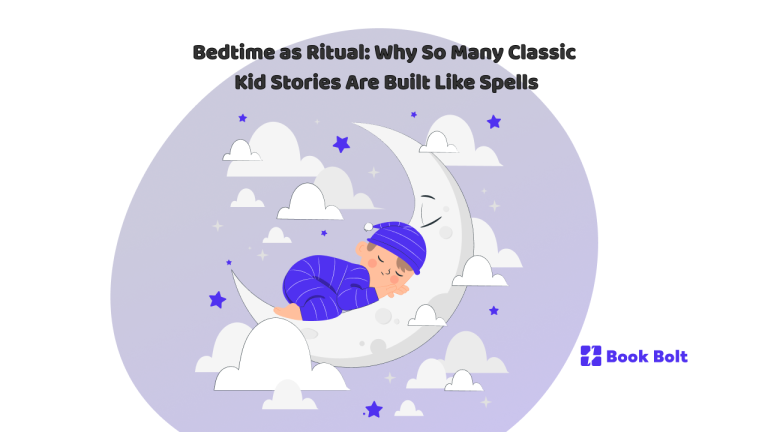
Bedtime stories have always been a kind of gentle technology: a repeatable ritual that helps a small nervous system settle down. That’s why so many classic kids’ stories feel like they’re built like spells—rhythmic, predictable, comforting, and designed to land the reader safely on the other side of the day.
And if you’ve ever watched a child insist on the same book for the 400th time, you’ve already seen the magic at work. Adults assume it’s stubbornness or boredom. Kids know it’s something else. They know the book is a reliable bridge. They know it works.
Here’s what’s really going on—and how to use it when you’re creating your own bedtime-ready children’s books.
Why bedtime stories are different than “story stories”
A daytime story can be loud. It can spike energy. It can end on a cliffhanger. It can even be a little chaotic because the day has room for chaos.
Bedtime stories don’t.
A bedtime story is often trying to do three things:
- Lower stimulation
- Offer reassurance
- Provide closure
When a bedtime story works, it doesn’t just end. It resolves. The world returns to order. The child returns to safety.
That’s the spell.
A useful way to think about bedtime reading is this: it’s not just “reading time.” It’s part of the body’s shutdown routine. Like brushing teeth. Like putting on pajamas. Like turning the lights down. The story is the part that reaches the invisible levers—fear, anticipation, emotion—and gently pulls them toward calm.
Or, to put it even more simply: a bedtime story isn’t trying to excite the child. It’s trying to hold the child.
The “spell ingredients” classic bedtime books use
Classic bedtime stories tend to rely on a few durable ingredients. They show up again and again because they work on the nervous system in predictable ways.
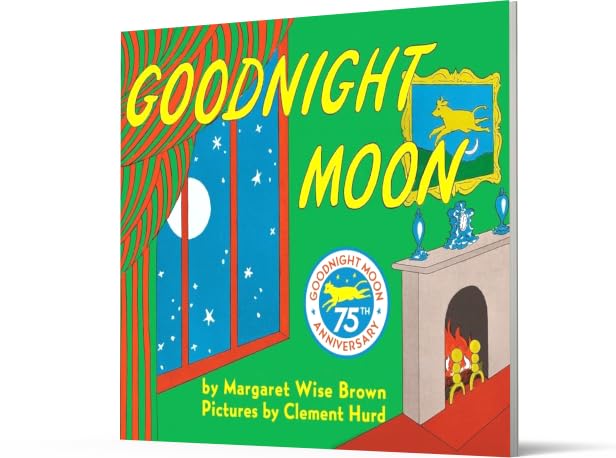
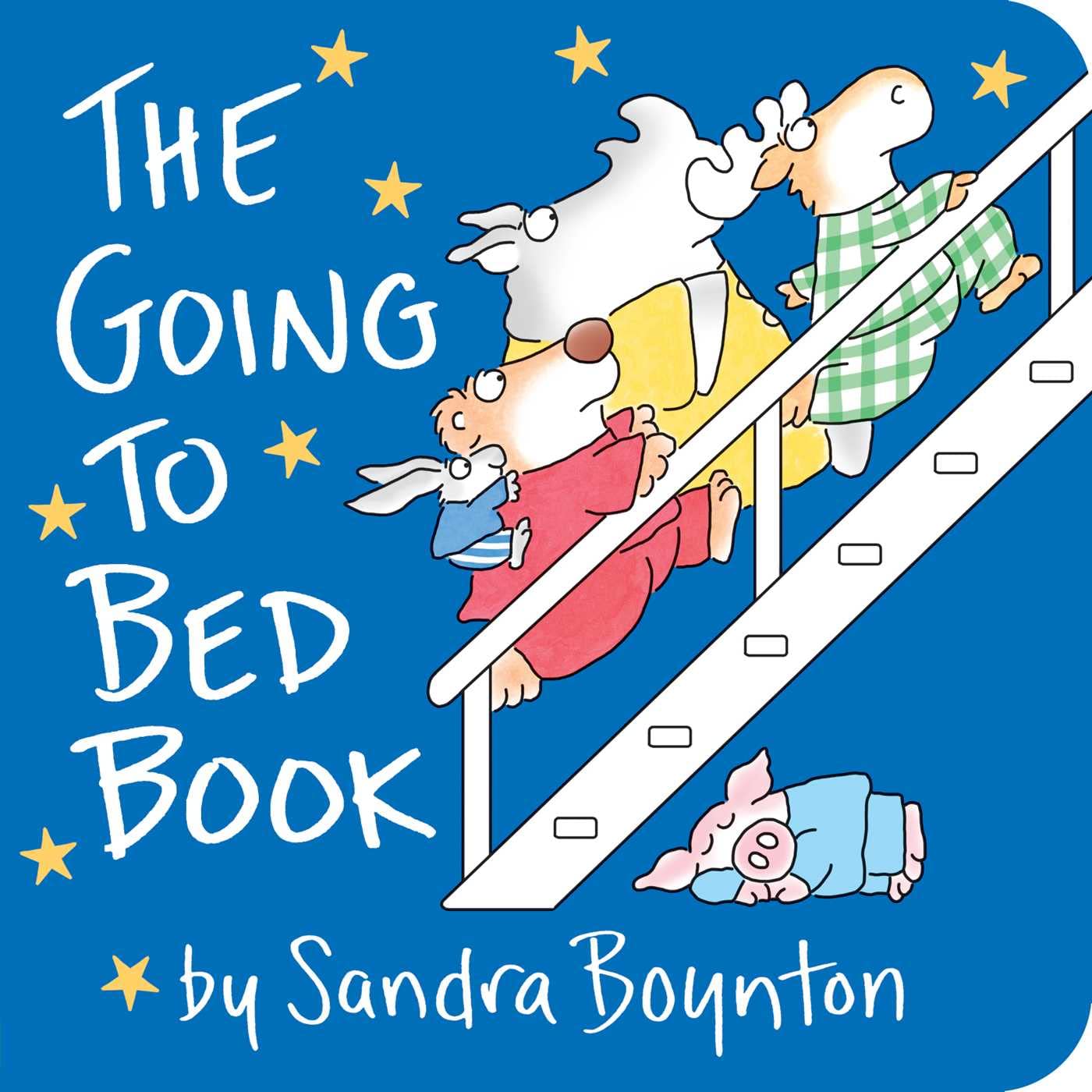
1) Repetition (the comfort loop)
Repetition tells a child: nothing is going to jump out and change the rules. It’s the opposite of chaos.
Repetition can look like:
- repeated phrases
- repeated actions (wash up, pajamas, teeth, story)
- repeated settings (same room, same bed, same cozy corner)
For a kid, repetition is not boring. It’s stabilizing.
Think about how bedtime can feel from a child’s perspective. The lights dim. The hallway looks different. The house makes strange sounds. The mind starts replaying the day. The child can’t always name what they’re feeling, but they feel the shift. Repetition is the anchor that says: we’ve done this before, and it always ends safely.
That’s why kids love refrains. That’s why they love the same “goodnight” pattern. That’s why they’ll correct you if you skip a line.
They’re not being picky. They’re guarding the ritual.
2) Rhythm (the hypnotic engine)
A lot of classic bedtime books have a subtle musicality:
- short sentences
- gentle cadence
- predictable “beats” on the page
It reads like rocking a chair. That rhythm is a lullaby made out of words.
When you read a bedtime book out loud, you’re not just delivering plot—you’re delivering tempo. A child’s body responds to tempo. Slow and steady helps them settle. Too sharp and bouncy makes the story feel like playtime.
A rhythm-based bedtime book isn’t afraid of quiet. It doesn’t sprint. It lets pages breathe. It uses language that feels like a soft hand on the back.
3) Enumeration (the “counting down” feeling)
Bedtime books often “name the world”:
- the room
- the objects
- the animals
- the places
This is powerful because naming is controlling.
It shrinks anxiety. It makes the unknown into the known.
A child’s mind, especially at night, can feel like it’s full of loose threads. Enumeration gathers those threads. It says: “Here is the world. Here is what belongs in it. Here is what is safe and familiar.”
Listing objects can feel almost like a spell itself: goodnight this, goodnight that. It’s a way of “tucking in” the world.
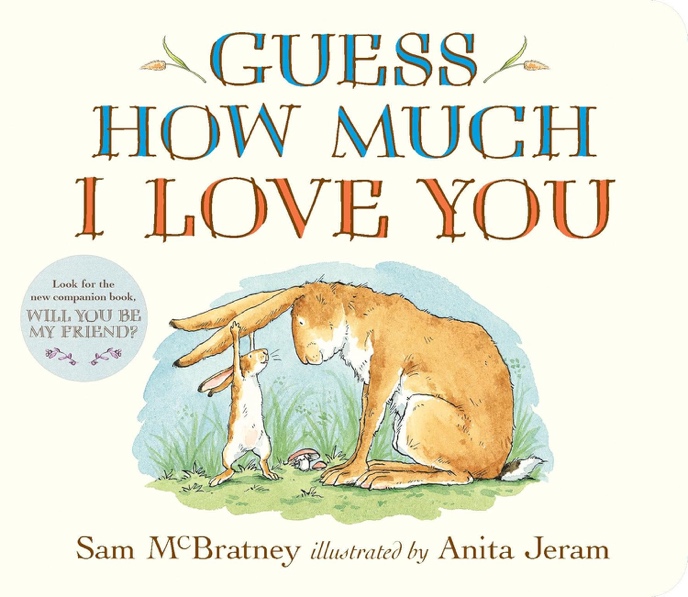
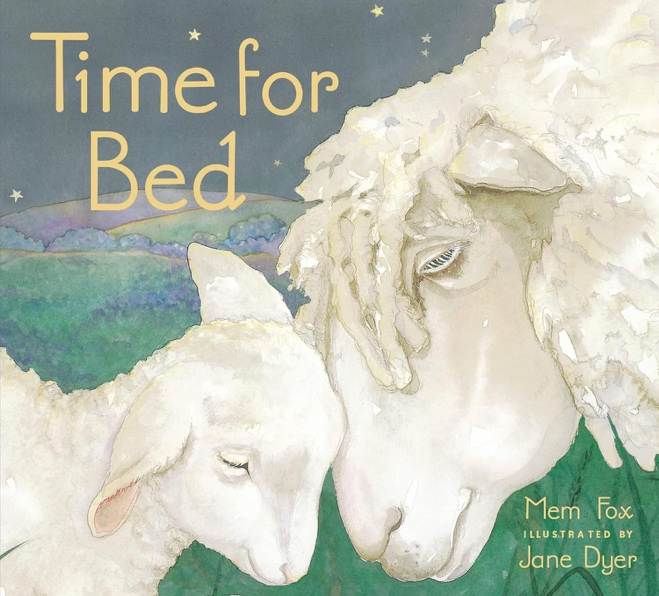
4) Soft stakes (tiny problems, big safety)
Bedtime stories rarely hinge on danger. They hinge on:
- missing a teddy bear
- feeling nervous
- being alone for a minute
- hearing a sound
- not wanting the day to end
The stakes are emotionally real but physically safe.
This is one of the biggest misunderstandings adults have: they think kids need “big adventure” to be interested. Kids do love adventure—but bedtime is not where they want adventure. Bedtime is where they want emotional truth with an outcome they can handle.
The conflict in a bedtime story is often a small wobble in the ritual:
- What if I forgot something?
- What if the dark is different tonight?
- What if I can’t fall asleep?
- What if the day is over and I’m not ready?
These are the real bedtime dragons.
And when the story handles them gently, it gives the child a script for handling them in their own life.
5) The return-to-safety ending
Classic bedtime books end with:
- a home base
- a hug
- a warm room
- a “goodnight” ritual
- a sense of completion
That’s why they get reread. They work.
The end matters more in bedtime fiction than almost any other type of children’s storytelling. A bedtime ending is basically a landing gear. You don’t want a sudden drop, a twist, or a new unanswered question.
You want: the world is okay, and you are okay in it.
That’s the quiet miracle a parent is paying for when they buy a bedtime classic.
A little secret: bedtime books teach parents too
Parents secretly need bedtime books for a reason that isn’t always discussed.
At the end of the day, parents are running on fumes. They’re trying to transition from:
- dinner cleanup
- “where is your homework”
- “please put pants back on”
- “why are you sticky again”
…Into a calm, connected moment.
Bedtime books help parents downshift, too. They provide:
- a shared script
- a predictable arc
- a structured connection moment
A great bedtime book is a relationship tool disguised as a story.
And the more modern life gets—louder, faster, more screen-driven—the more valuable that tool becomes.
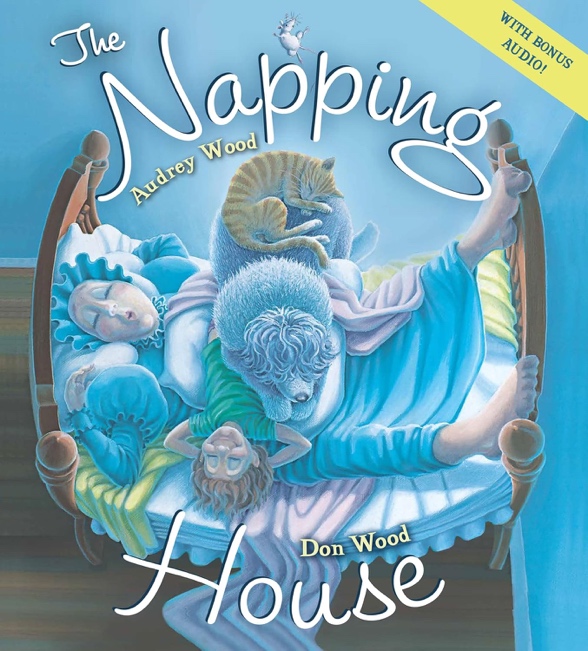
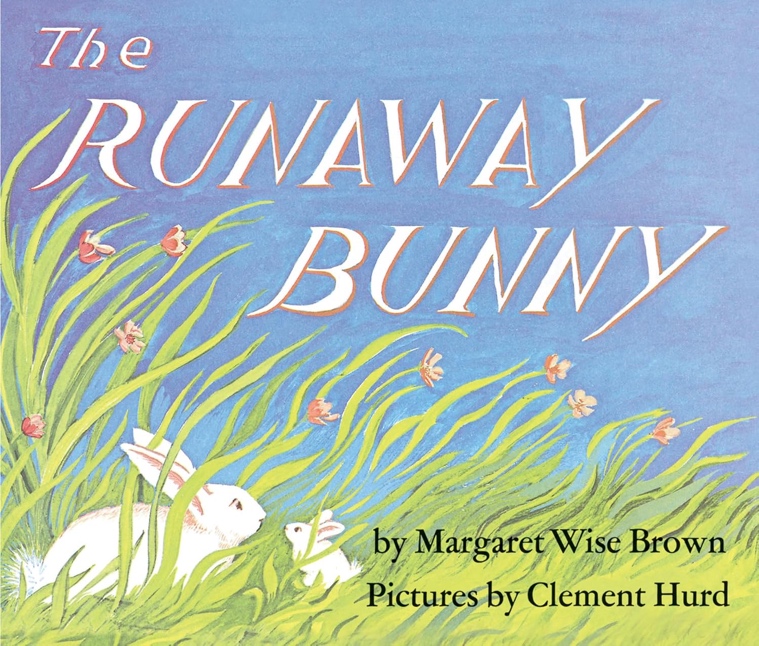
A simple “bedtime spell” structure you can reuse
If you want your story to feel bedtime-safe, use this:
- Safe opening (home base is clear)
- Small disruption (a worry, a sound, a missing object)
- Gentle exploration (the child checks, asks, learns)
- Reassurance (truth revealed, comfort restored)
- Closure ritual (goodnight, tuck-in, return to calm)
You can write a thousand different stories on this frame and they’ll all feel soothing.
Here are a few “small disruption” examples that work beautifully in bedtime books without spiking fear:
- A toy is missing… but it’s found in a silly place.
- A shadow looks scary… until it’s explained.
- A child thinks they heard a monster… but it’s the house settling (or the cat).
- A child worries about tomorrow… and is reassured with a ritual phrase.
- A child doesn’t want the day to end… and learns tomorrow still exists.
These are gentle, durable, and parent-approved.
How to use Book Bolt Studio without losing the bedtime “human touch”
AI-assisted drafting can help generate options fast, but bedtime stories need human judgment in:
- tone (gentle, not manic)
- word choice (soft, not sharp)
- pacing (space to breathe)
- ending (restoration, not “twist!”)
A great workflow:
- You decide the ritual structure + emotional goal
- Studio assists with draft variations and assembly
- You refine the cadence, repetition, and landing
One very practical tip: if you’re using AI to generate a first draft, ask yourself this as you revise:
Would I read this sentence in a whisper?
If the answer is no—if the language feels too punchy, too clever, too fast—soften it. Bedtime books thrive on gentle certainty.
Also: don’t be afraid of brevity and whitespace. A bedtime picture book doesn’t need to prove it’s “smart.” It needs to be effective.
A quick “bedtime spell” checklist before you publish
Before you finalize your book, run this simple check:
- Does it begin in a safe place?
- Is the disruption small and understandable?
- Are there comfort loops (repetition/refrains)?
- Does the rhythm feel calm when read out loud?
- Does the ending restore safety without adding a new problem?
- Would a parent want to reread it five nights in a row?
If yes, you’re not just writing a bedtime story.
You’re building a ritual.
Final thought
Bedtime stories last because they don’t just tell a story—they build a bridge from “today” to “sleep.”
That’s the real magic.
That’s the spell.