With the advances now available in Book Bolt Studio’s newer story-creation features, it’s easier than ever to generate children’s stories quickly. But if you want a book that becomes a repeat request—the kind kids ask for on tired nights, sick days, and “read it again” mornings—there’s a quiet secret hiding in plain sight:
Sometimes the main character isn’t the hero.
Sometimes the main character is the world.
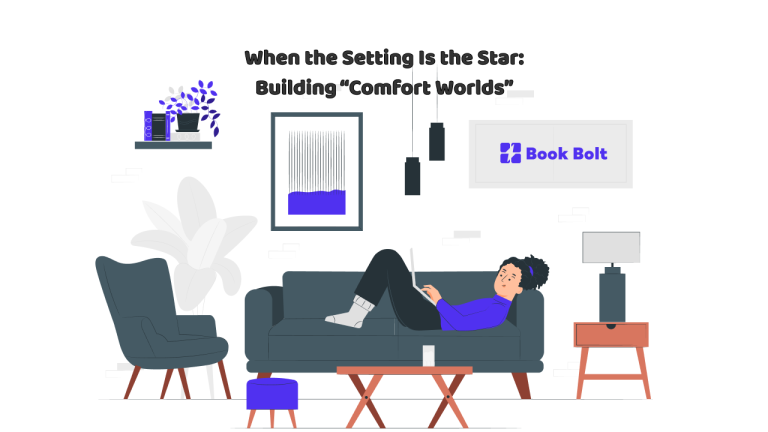
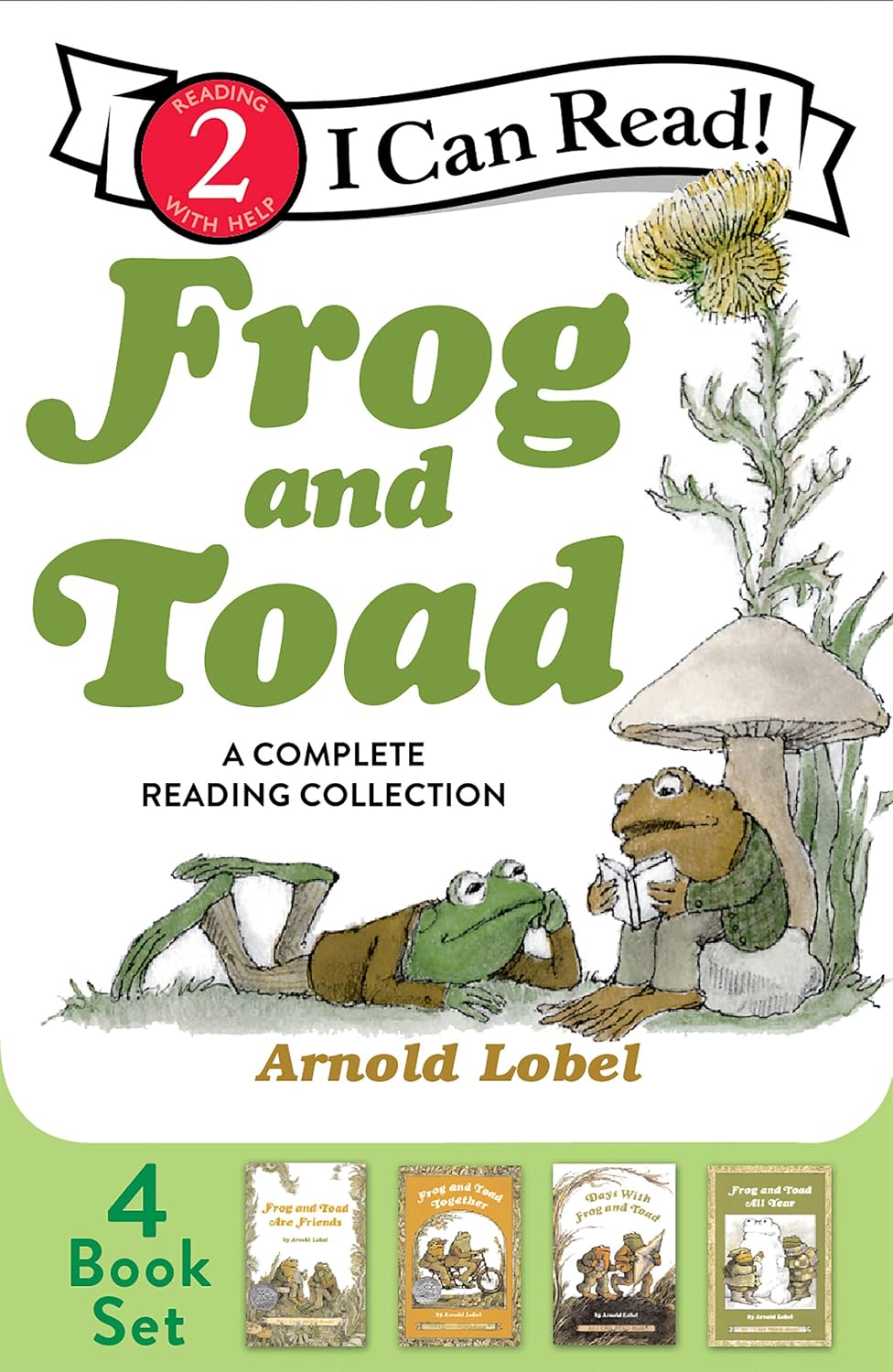
A “comfort world” is a setting so safe, vivid, and emotionally reliable that kids want to live there for a while. They don’t just follow the plot—they return to the place. It’s why certain books feel like a warm blanket. You can open them anywhere, read a few pages, and feel the room get calmer.
Comfort worlds are a classic engine in children’s literature because kids crave a specific combination of feelings:
- familiarity
- gentle surprise
- emotional safety
- a predictable rhythm
- and the sense that the world “holds” them
Let’s talk about how to build that—and why it matters.
Why comfort worlds sell (and why they endure)
Adults often assume kids reread books because they’re simple.
Kids reread books because they’re reliable.
A comfort world creates reliability at the deepest level. It tells a child:
- “This place is safe.”
- “The rules make sense here.”
- “Problems happen, but they get solved.”
- “You won’t be abandoned in chaos.”
That’s why comfort-world books become rituals. They aren’t just entertainment. They’re regulation—especially for kids who are sensitive, anxious, or just tired.
And here’s the bonus for creators: comfort worlds are easier to turn into series, spin-offs, and companion activity packs because the world is already doing half the work.

What makes a world feel comforting (instead of boring)
Comfort isn’t the absence of conflict. Comfort is contained conflict.
A comfort world has:
- small stakes
- understandable problems
- characters who aren’t cruel
- and a reliable emotional landing at the end
Think of comfort worlds like a favorite neighborhood. You might have small dramas:
- someone lost something
- someone misunderstood something
- someone feels left out
- something needs fixing
But you always know the neighborhood is still your neighborhood when the story ends.
That’s the vibe kids want.

The building blocks of a comfort world
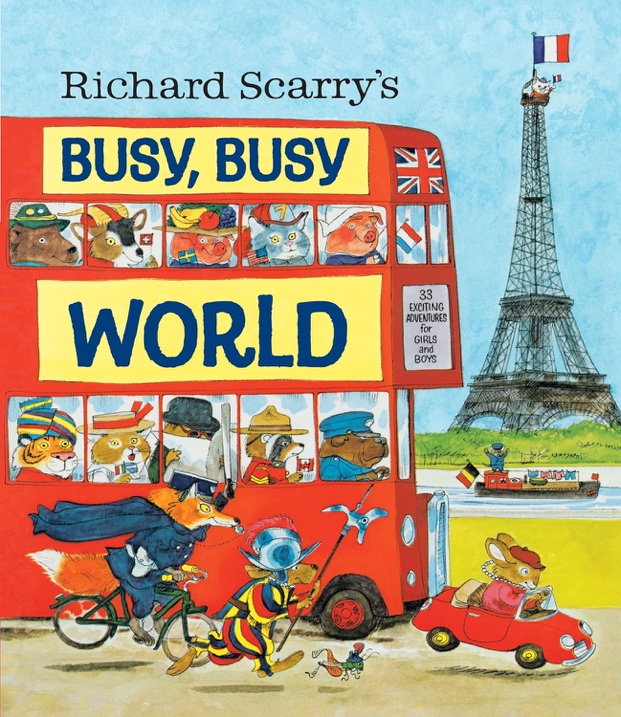
You don’t need a massive fantasy map to build one. In fact, comfort worlds are often small on purpose.
Here’s what kids respond to most:
1) A clear home base
A place the story returns to:
- a bedroom
- a classroom corner
- a treehouse
- a little shop
- a friendly street
- a cozy library
- a magical-but-safe kitchen
Home base is the emotional anchor. Even if the character goes somewhere else, the home base is the “safe return.”
2) Repeatable locations (3–5 is enough)
Comfort worlds tend to have a handful of familiar spots that show up again and again:
- the front steps
- the market
- the secret nook
- the park
- the back room
- the “noisy hallway”
Kids love recognizing places. Recognition is comfort.
3) Gentle rules
Every comfort world has rules that make it feel stable:
- who helps when there’s a problem
- what happens when someone makes a mistake
- what the adults are like (safe? silly? steady?)
- whether the world is kind
You don’t have to state the rules. You show them through pattern.
4) A cast with clear “jobs”
Comfort worlds often feel like community. The characters have roles:
- the worrier
- the helper
- the curious one
- the quiet one
- the funny one
- the steady grown-up figure
When a child knows the “jobs,” they can relax into the story. They anticipate responses. Anticipation is cozy.
5) A signature tone
Comfort worlds keep a consistent emotional weather:
- cozy
- playful
- gently adventurous
- warm-funny
- soft spooky (if that’s your lane)
The tone is the trust contract.


A quick mini-story: how setting becomes the “hug”
Imagine two different versions of the same plot:
Plot: a child loses something important.
Version A is set in “generic anywhere.” The child panics. The world feels empty. Random people appear.
Version B is set in a comfort world: a small neighborhood where the child already knows the bakery owner, the librarian, the neighbor with the garden, and the older kid who’s secretly kind. The search becomes a tour through familiar places, each one offering a little reassurance.
Same plot. Completely different feeling.
In Version B, the setting is doing emotional work. It’s holding the child.
That’s a comfort world.
How to design a comfort world fast (without overbuilding)
Here’s a simple method you can use for Book Bolt projects:
- Name the world (even if it’s just “Maple Street” or “The Little Moon Library”)
- Pick your home base (the anchor location)
- Pick three supporting locations (places the story can revisit)
- Decide the world’s rule of kindness (how people treat each other)
- Decide the world’s problem size (small stakes, solvable)
- Choose one signature sensory detail (smell of cinnamon, wind chimes, squeaky steps, lantern light)
That’s enough to make a world feel real.
Kids don’t need a complex geography. They need a place that feels emotionally consistent.
Using Book Bolt Studio without losing the world’s “handmade feel”
Tools can help you generate scenes quickly, but comfort worlds depend on consistency:
- recurring locations
- recurring sensory details
- recurring character behavior
- recurring tone
A smart workflow:
- You define the world bible (short): locations, cast roles, tone, “kindness rule”
- Studio helps draft episodes inside that container
- You revise to keep language consistent and soothing
If the tool generates a scene that feels too chaotic, too snarky, or too sharp, soften it. Comfort-world writing is often about what you remove:
- cruel jokes
- frantic pacing
- unnecessary plot twists
Comfort is the feature.
Final thought
When the setting is the star, you’re not just writing a story.
You’re building a place kids can return to when they need it.
That’s what makes comfort worlds so durable. They become more than books—they become emotional shelters. And shelters get reread.