With the advances now available in Book Bolt Studio’s newer story-creation features, it’s easier than ever to generate children’s stories quickly. But humor—especially children’s humor—is one of those areas where speed can get you in trouble if you’re not careful.
Because “funny” is a wide road, and it has a ditch on one side:
meanness.
A lot of classic kid comedy looks like it’s about teasing, embarrassment, or “someone getting dunked on.” But the books that endure—the ones parents happily reread instead of grit their teeth through—tend to be funny in a different way.
They’re funny because of misunderstanding, not humiliation.
They’re funny because characters misread a situation, get tangled in the wrong assumption, and then find their way out. Nobody is destroyed. Nobody is shamed for existing. The laughter doesn’t come from cruelty—it comes from recognition.
And that matters, because children absorb the social rules of a story. If the joke is “this person is weird, laugh at them,” kids learn that rule. If the joke is “we all get mixed up sometimes, and it’s okay,” kids learn a much better rule.
This is how you write comedy that’s silly, warm, and durable—comedy without cruelty.
Why “comedy without cruelty” is the new classic
Parents today are more sensitive to tone than ever. Not because they’re fragile—because they’re tired. They’re reading these books at bedtime, after a long day, and they want stories that do two things at once:
- make their kids laugh
- keep the emotional climate safe
Kids want the same thing. They love humor, but they don’t want humiliation. They don’t want a story that leaves a character stranded in shame. They want the reset. They want the reassurance that everyone is still loved.
That’s why misunderstanding humor is so powerful. It gives you laughs and comfort.
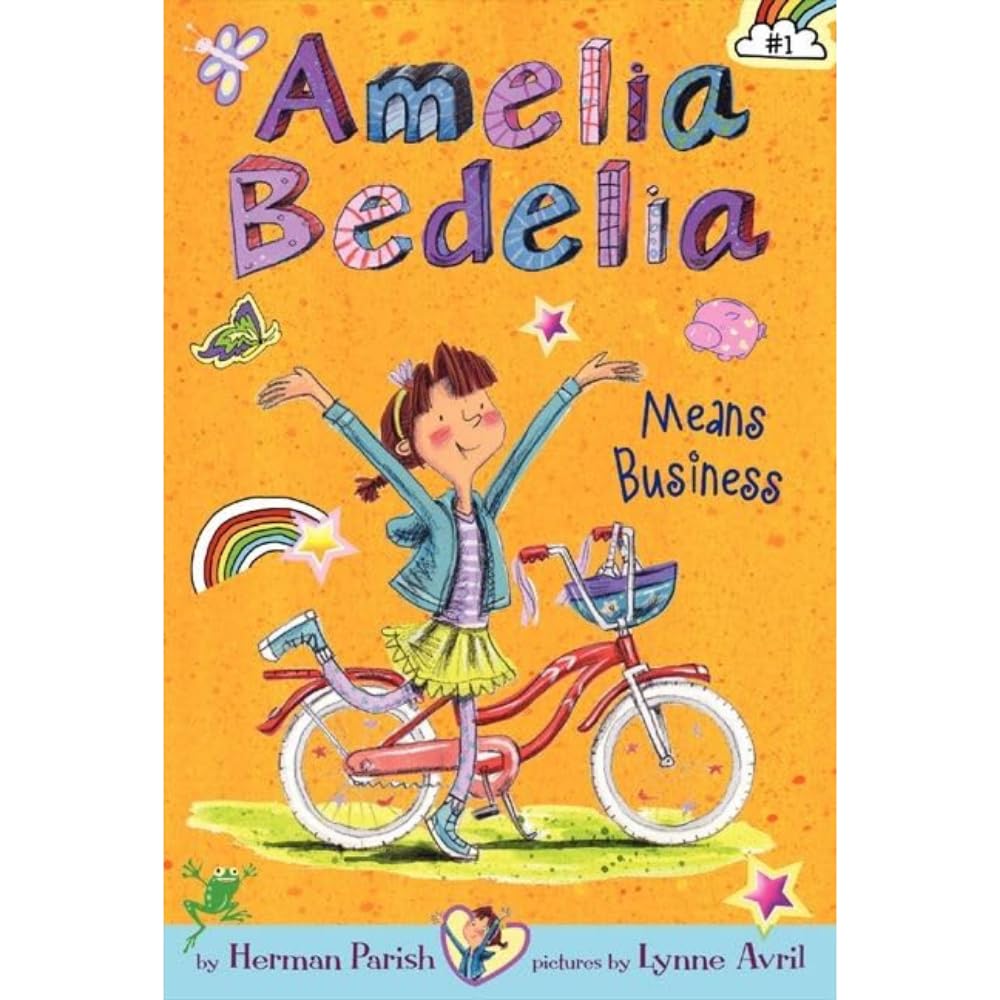
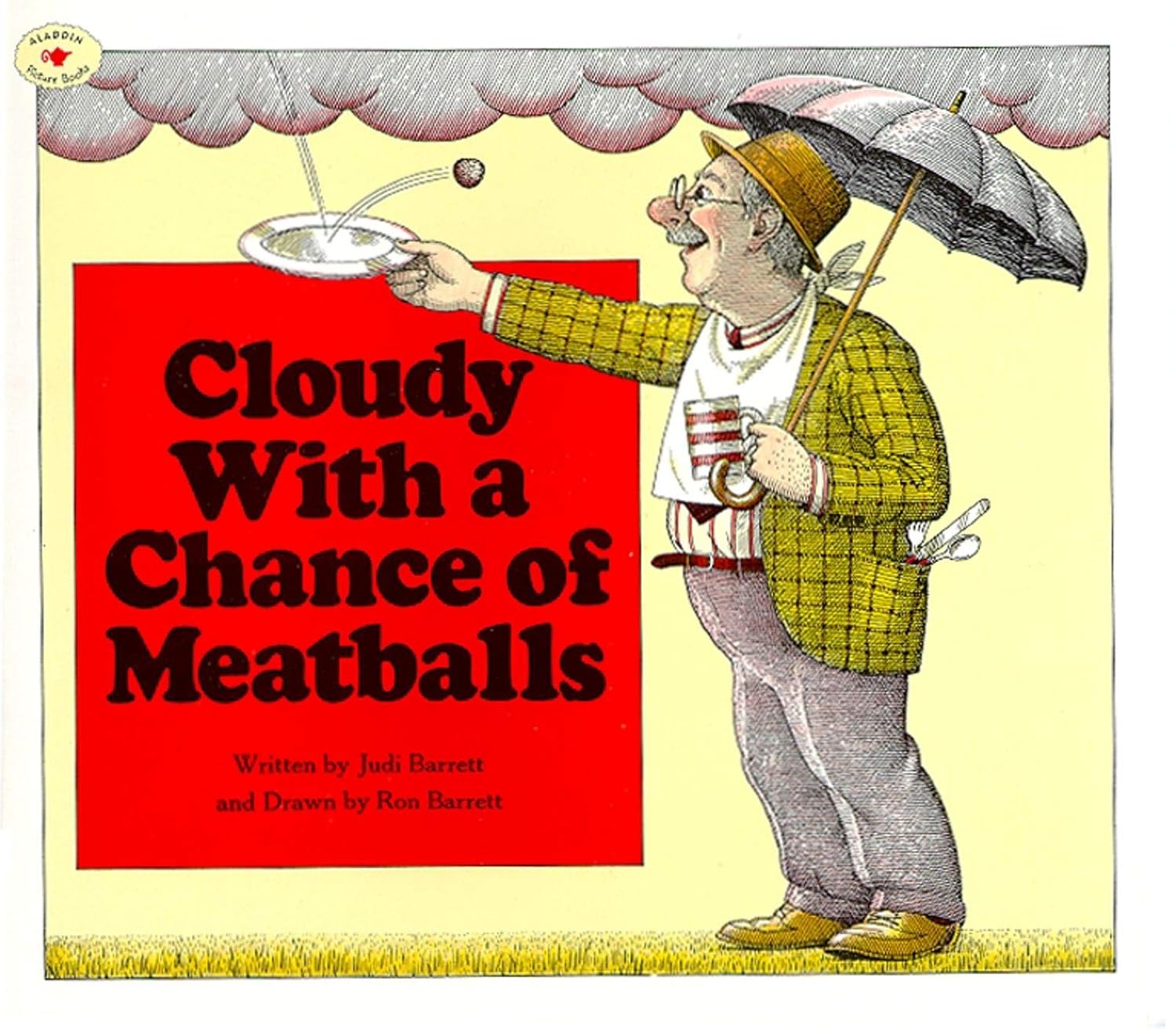
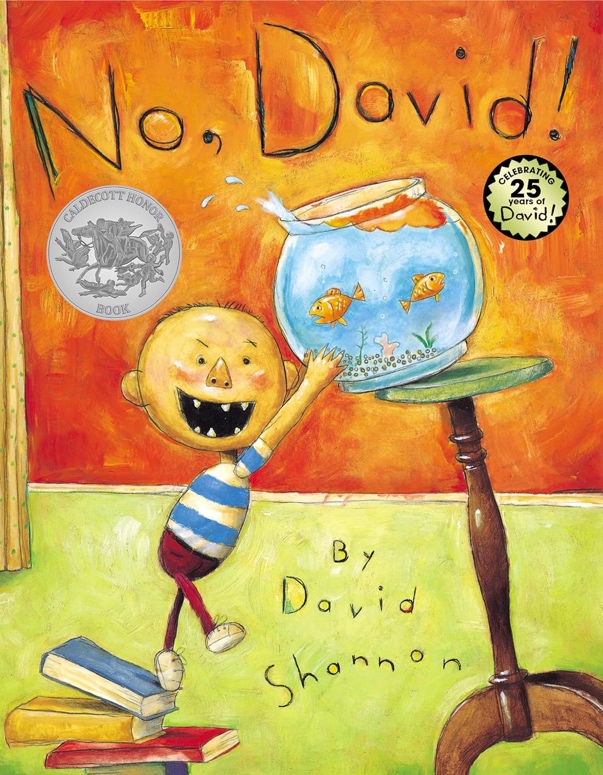
What counts as a “good misunderstanding” in kid lit?
A kid-friendly misunderstanding usually has three traits:
- It’s relatable
The mistake makes sense from the character’s perspective. - It’s low-stakes
Nobody’s safety or dignity is truly threatened. - It resolves with repair
The end restores connection: the characters understand each other, forgive each other, or laugh together.
This structure keeps the humor warm instead of sharp.
The misunderstanding engine (a structure you can reuse)
Most “comedy without cruelty” stories run on a simple arc:
- A normal situation
Something everyday: a party, a school day, a new neighbor, a pet, a job to do. - A wrong assumption
A character misreads a clue: a sound, a phrase, a sign, a facial expression. - Escalation through sincere effort
The character tries to solve the wrong problem with total sincerity—often making it funnier. - The reveal
We learn what was actually happening. - The reset
Everyone returns to safety, and the character is not punished for being human.
If you keep those beats in mind, you can write endless funny stories that don’t leave bruises.
The “no cruelty” humor toolbox (ways to get laughs safely)
Here are the most reliable comedy tools that don’t require anyone to be the butt of the joke:
- Literal thinking (kids love this)
A character takes a phrase at face value and acts accordingly. - Over-enthusiasm
A character tries too hard to help, impress, or prepare. - Mismatched expectations
Everyone thinks the event will be one thing… and it’s another. - Role reversal
A small character acts like the boss; an adult character acts confused. - Mistaken identity (gentle version)
Someone thinks a harmless object/animal is something else. - The wrong “translation”
A character misunderstands a word, a sign, or a rule.
All of these create comedy through friction, not cruelty.
How to keep misunderstandings from turning mean
This is where tone choices matter.
A misunderstanding becomes mean when:
- other characters laugh at someone instead of with them
- the story lingers in humiliation
- the character is labeled as dumb, gross, or unwanted
- the resolution is punishment instead of repair
So here are the guardrails that keep things warm:
- Make the character’s mistake understandable
If the mistake feels stupid, the laughter turns sharp. - Give the character dignity
Let them be sincere. Let them be competent in other ways. - Let the group be kind
The best comedic ensembles don’t bully the confused character—they help them reset. - End with connection
The funniest kid books often end with a shared laugh or a hug-like emotional landing.
A mini-story example (to show the vibe)
Imagine a character hears that tomorrow is “Dress Like Your Favorite Animal Day.”
They panic because they think it means:
“I have to come to school as a real animal.”
So they spend the night building an elaborate “animal disguise.” They practice walking like a penguin. They try to eat like a rabbit. They even attempt a dramatic roar in the bathroom mirror.
Morning arrives and… everyone is wearing animal shirts and headbands.
The misunderstanding is funny because:
- the character’s fear is relatable
- the escalation is sincere
- the reveal is gentle
- the resolution is warm (“you did the most, and we love you for it”)
No cruelty required. Still hilarious.
Using Book Bolt Studio without losing the comedic warmth
AI can generate jokes quickly—but it also tends to drift into:
- snark
- sarcasm
- “roast” humor
- mean nicknames
- punchlines that rely on embarrassment
Your role as editor is to keep the humor in the warm lanes:
- misunderstanding
- sincerity
- over-enthusiasm
- gentle escalation
- repair
A good test when revising:
Would you read this joke out loud to a kid you love without feeling weird?
If the answer is yes, you’re in the right zone.
Final thought
Comedy without cruelty is one of the most durable engines in children’s stories because it creates two feelings at once:
- laughter
- safety
Misunderstandings let kids enjoy chaos without living in shame. They model a social truth kids need: people get mixed up, and we can fix it without being mean.
That’s not just funny.
That’s classic.