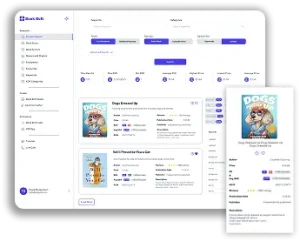
Book Bolt’s promise is speed—helping creators “create & upload coloring books, story books, and low-content books to Amazon – in seconds.” And with Book Bolt Studio now featuring an AI-Powered Image Generator that can create unique characters and story illustrations, it’s easier than ever to bring a children’s book concept to life visually.
But here’s the trap: when creation gets faster, it’s tempting to treat characters like placeholders—cute designs that “work” for a story that exists mainly to be published.
Evergreen characters don’t work that way.
The characters that last—ones children remember, request again, and carry with them for years—tend to be built from a handful of surprisingly repeatable ingredients. They feel simple, but they’re not shallow. They’re emotionally legible. They have a clear inner engine. And they invite a child to practice being human.
Let’s talk about what makes a character evergreen… and how to build one on purpose.
Evergreen characters are emotionally readable in one glance
A kid shouldn’t need ten pages to understand who they’re looking at.
That doesn’t mean your character has to be a stereotype. It means the character’s “shape” is clear immediately—emotionally and visually:
- Are they brave or nervous?
- Do they rush in or hang back?
- Are they tender? Curious? Stubborn?
- Are they trying to prove something… or protect something?
This is why classic children’s characters often feel iconic. They have a clean, readable silhouette and a clean, readable vibe. Even before the plot gets going, the reader “gets” them.
A helpful builder rule:
One dominant trait + one vulnerability.
That’s enough to make a character feel real and consistent.
The secret sauce: a strong “want,” not a complicated backstory
Evergreen characters usually have a want you can explain in a single sentence:
- “I want to belong.”
- “I want to be seen.”
- “I want to be brave.”
- “I want to keep my friend safe.”
- “I want to prove I’m not small.”
Backstory is optional. Desire is not.
And for children’s fiction, the desire works best when it’s something a child has felt personally. Not abstract. Not philosophical. Something you’d hear in a kid’s voice.
That’s why characters like the “outsider,” the “worrier,” the “try-hard,” and the “gentle rebel” show up over and over: they’re emotional mirrors.
Evergreen characters have a “job” in the story
Here’s a weirdly practical question that improves almost any children’s character:
What is this character’s job?
Not their occupation—their narrative job. What are they here to do for the reader?
Some common evergreen jobs:
- The courage model: shows what bravery looks like in small steps
- The permission-giver: shows it’s okay to be different
- The comforter: makes scary things feel manageable
- The explorer: makes the world feel big and exciting
- The rule-tester: helps kids understand boundaries and consequences
- The loyal friend: models love, repair, and forgiveness
When a character has a clear job, the story becomes easier to write, and the character becomes easier to remember.
The character “sticks” when they change in a way kids can feel
A character doesn’t need a massive transformation arc. But evergreen characters typically shift in one meaningful way:
- They become a little braver.
- They learn they’re lovable as-is.
- They stop trying to impress the wrong people.
- They learn how to ask for help.
- They learn that kindness has power.
That shift is the emotional payoff. It’s why the story matters beyond the plot.
And it’s why kids want repeats: rereading is how they rehearse that change.
The “Evergreen Character Blueprint” you can use every time
If you want a simple recipe you can use for character creation (especially when you’re moving fast), try this:
1) Pick the core emotion
Choose one that children feel a lot:
- loneliness
- jealousy
- fear
- curiosity
- embarrassment
- anger
- hope
- pride
2) Choose the want
Make it simple:
- belong
- be brave
- be taken seriously
- keep someone safe
- do something “big”
- prove they matter
3) Add one lovable constraint
Constraints create charm:
- too small
- too slow
- too shy
- too messy
- too loud
- too imaginative
- too honest
4) Give them one strength that “leaks out”
A strength that shows even when they’re struggling:
- kindness
- persistence
- creativity
- loyalty
- cleverness
- fairness
- empathy
5) Define the turning point
What moment forces change?
- they admit the truth
- they ask for help
- they share
- they face the scary thing
- they choose kindness instead of revenge
If you can answer those five things, your character will feel coherent—and coherence is a huge part of “evergreen.”
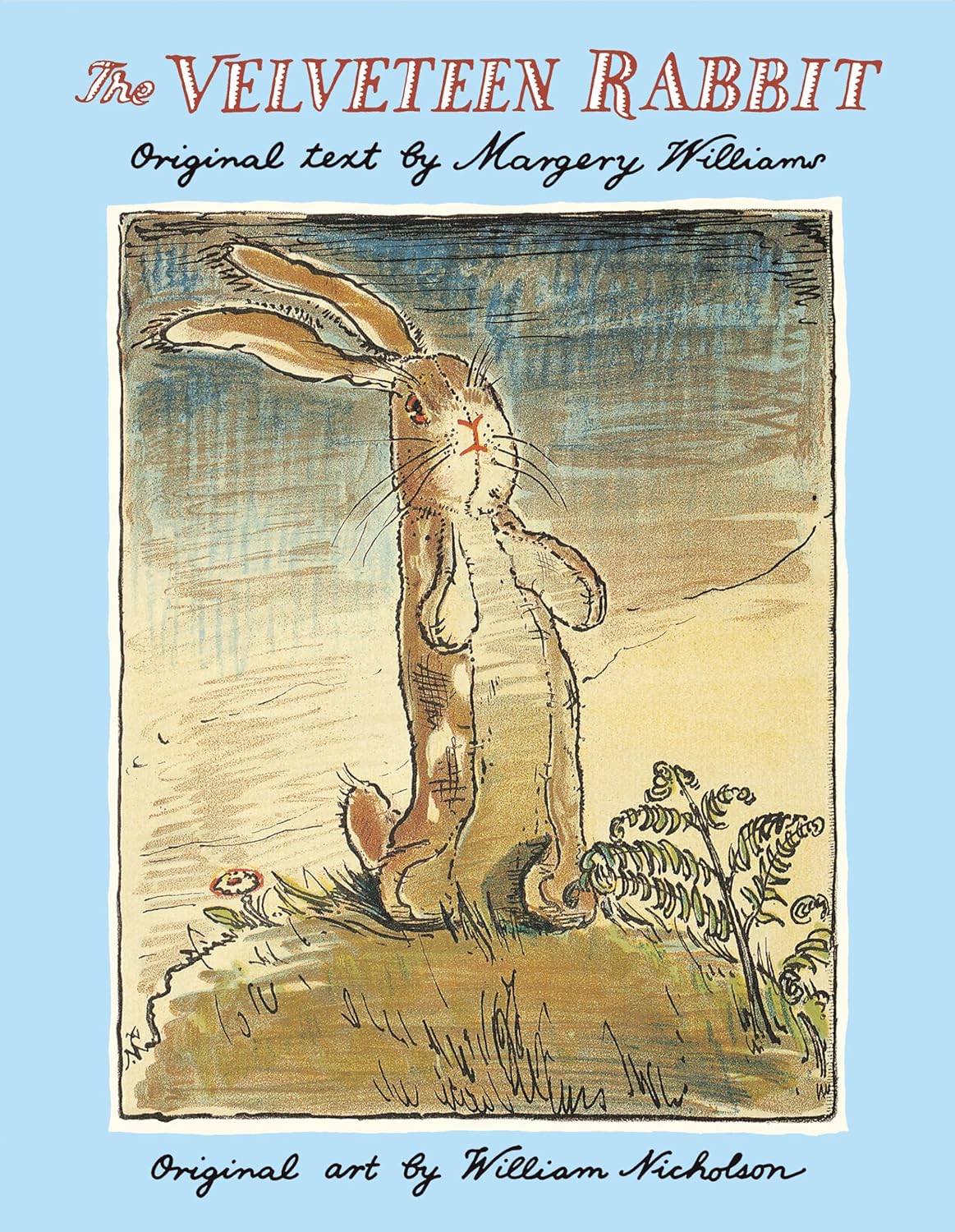
A few classic examples (without overdoing it)
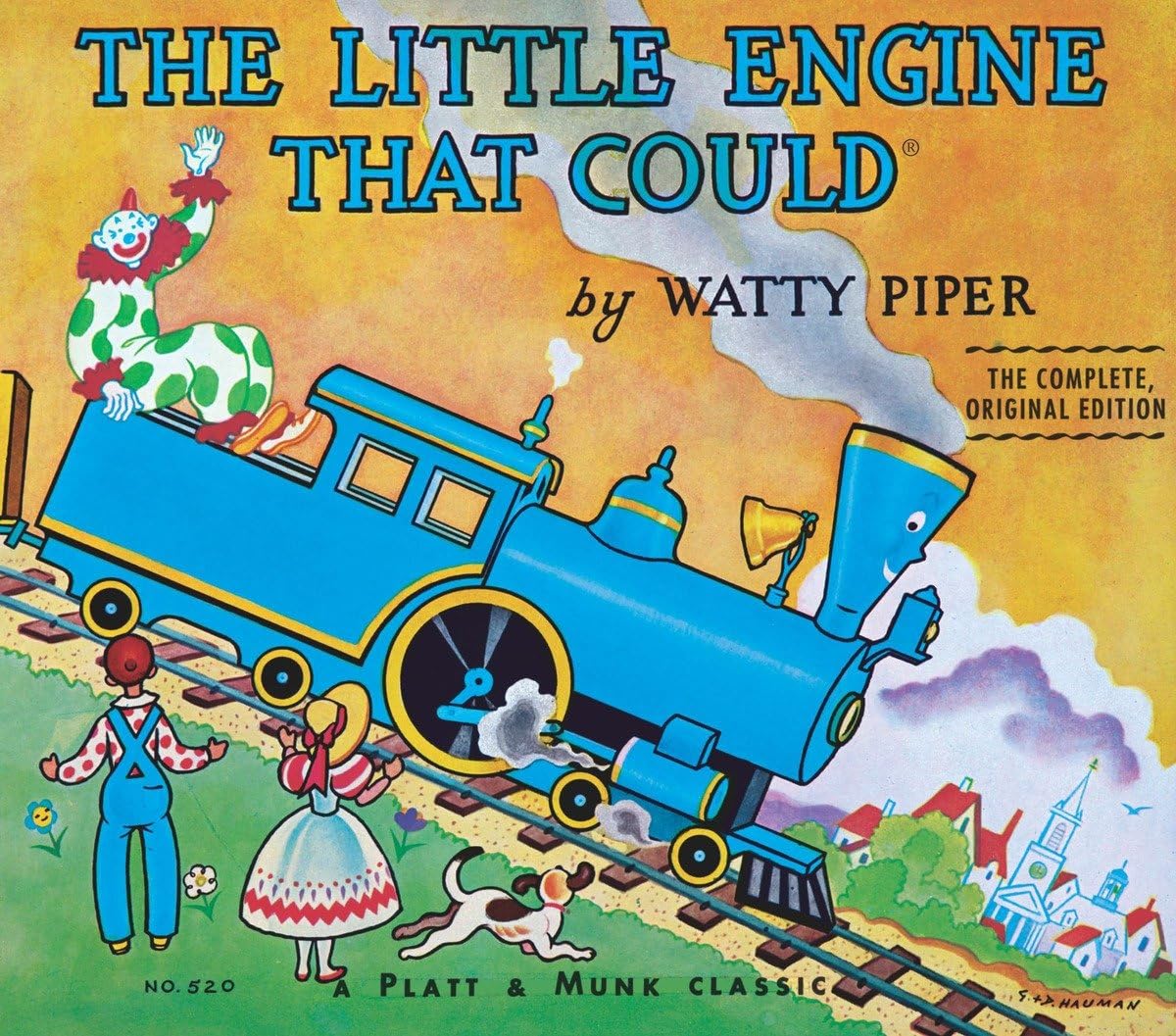
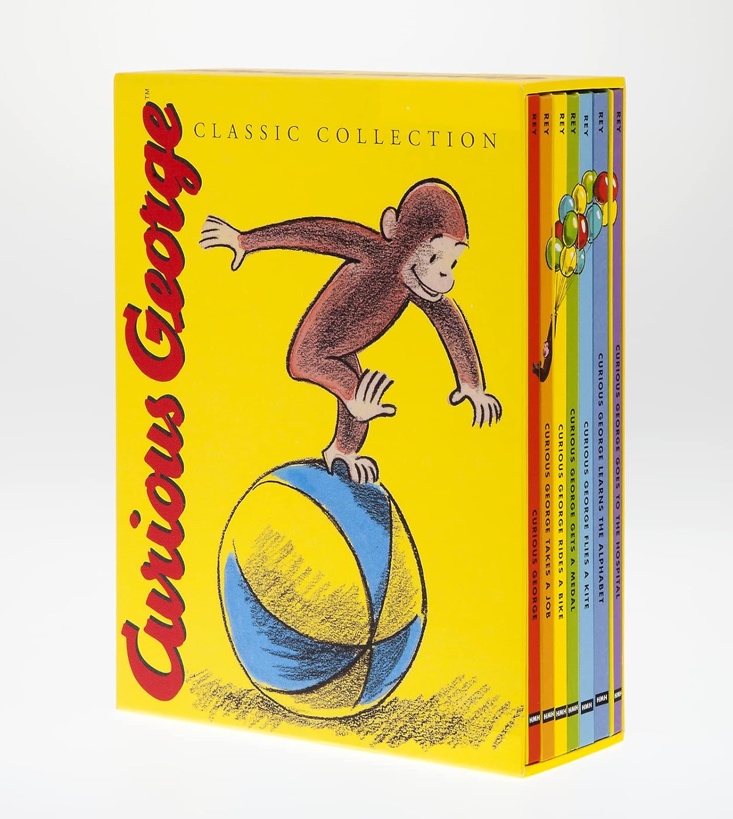
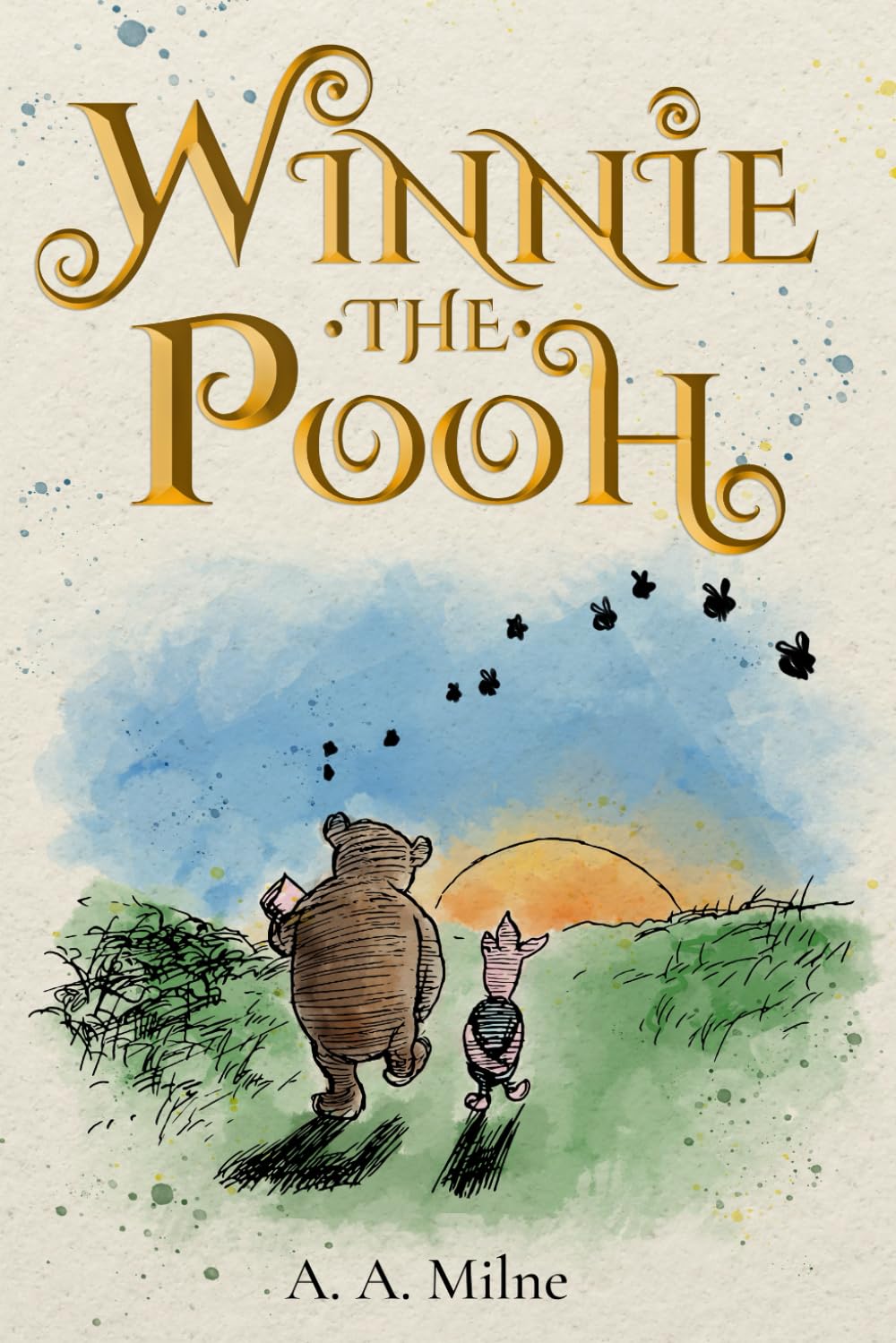
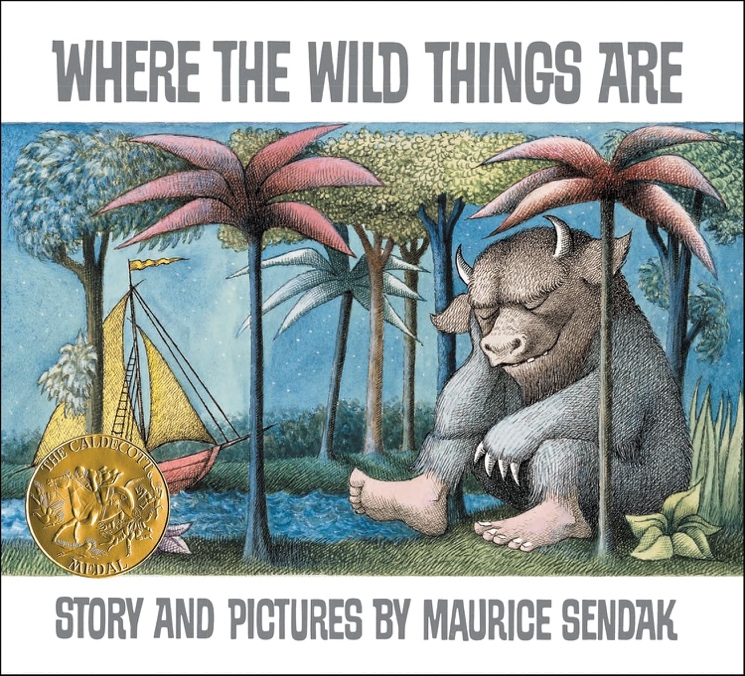
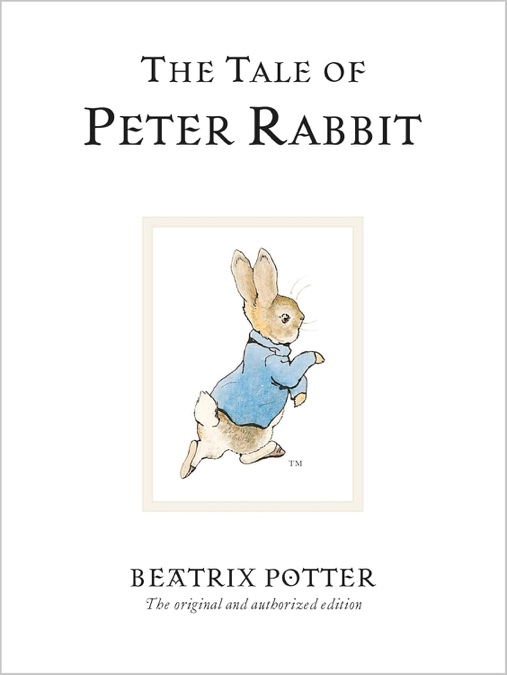
To keep this practical, here are a few classic character types you can recognize across children’s storytelling—without turning this into a “listicle of famous characters.”
The outsider who becomes seen
This character sticks because children know the feeling.
They start as “not fitting,” and their arc proves: you’re not broken—you’re just not in the right room yet.
The small hero who chooses courage
This character sticks because it makes bravery feel available.
Kids don’t need superheroes. They need proof that small steps count.
The gentle heart in a rough world
This character sticks because it comforts.
It tells the child: you can stay soft and still survive.
The curious explorer
This character sticks because curiosity is contagious.
They give the reader permission to wonder—and to wander.
Notice what’s happening: these aren’t “character designs.” They’re emotional experiences children can carry.
Don’t forget the visual consistency factor
In children’s books, characters are remembered partly because of their look—but not because of detail overload.
It’s usually:
- a clear silhouette
- a signature feature (hat, scarf, big glasses, tiny backpack)
- a consistent expression range
- readable shapes (big head, simple hands, friendly proportions)
This is where Book Bolt Studio can help you move faster without losing coherence. Studio’s AI-Powered Image Generator is explicitly positioned for creating unique characters and vibrant story illustrations.
The best creative habit here is character locking:
- Pick the character’s “signature” (2–3 defining traits)
- Keep it consistent across scenes
- Don’t redesign them every page
- Let the story be the variety, not the face
A character becomes evergreen partly because they become familiar.
The biggest evergreen mistake: making the character “perfect”
Perfect characters don’t stick. They don’t give kids anything to do.
Evergreen characters usually have one of these:
- a flaw
- a fear
- a misunderstanding
- a messy habit
- a blind spot
Why? Because kids are watching to see:
- “What happens when you mess up?”
- “Can you be loved when you’re annoying?”
- “Is it safe to be honest?”
- “Can you fix things after conflict?”
If the character is too polished, the story becomes a lecture. If they’re a little messy, the story becomes a friend.
How to keep it organic in an AI-assisted workflow
The new generation of tools makes it easier to produce storybooks quickly—and that’s a real advantage. But “evergreen” still comes from human choices.
Here’s a clean way to split the labor:
You decide:
- the character’s core emotion
- their want
- their flaw
- their turning point
- the tone (cozy, funny, spooky-cute, adventurous)
The tool assists:
- generating supporting visuals and variations quickly
- helping you assemble a readable interior
- accelerating the “from idea to finished file” part of the process
You refine:
- voice consistency
- age-appropriate language
- scene rhythm
- character continuity
That’s the difference between “a book that exists” and “a character that lasts.”
A quick evergreen character checklist
Before you finalize your next story, run this quick check:
- Can I describe my character in one sentence?
- Do they have a simple want a child understands?
- Do they have one flaw or vulnerability?
- Do they make at least one meaningful choice?
- Do they change in a way the child can feel?
- Would a child want to see this character again?
If you can say yes to most of those, you’re on evergreen ground.
Final thought: evergreen is a feeling, not a formula
The reason some characters survive generations isn’t because they were engineered. It’s because they were built around something true.
If you use modern tools to speed up creation, keep your aim simple: make a character that helps a child feel understood.
That’s the kind of character that doesn’t just sell a book.
It earns a reread.