With the advances now available in Book Bolt Studio’s newer story-creation features, it’s easier than ever to generate children’s stories quickly. But speed doesn’t replace the oldest storytelling mechanics—the ones that have survived because they match how the human brain remembers and predicts.
One of the biggest is the rule of three.
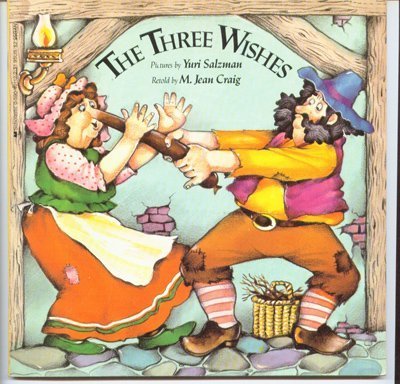
Three trials. Three doors. Three attempts. Three wishes. Three siblings.
It shows up everywhere because it does something incredibly useful: it creates a rhythm kids can feel in their bones.
And if you’ve ever read a story to a child and watched their body language shift the moment they “get the pattern,” you know exactly what I mean. Their eyes sharpen. Their smile forms. They lean forward as if they’re about to participate, not just listen. Because once a child recognizes the pattern, they don’t feel lost in the story anymore.
They feel smart.
And that feeling—“I understand this”—is one of the most addictive experiences in children’s storytelling. It’s why rereads happen. It’s why classics survive. It’s why folktales kept traveling mouth-to-mouth for hundreds of years before they were ever printed.
So let’s look at why the rule of three works, why kids love it, and how you can use it deliberately when you’re writing or generating children’s stories today.
Why three works (especially for kids)
1) Three is the smallest number that feels like a pattern
One is an event. Two is a comparison.
Three feels like a story.
With three, the reader learns the pattern and then gets the payoff.
This is the secret: the human mind is a pattern-recognition machine. Kids are no different—if anything, they’re better at it, because their brains are constantly trying to predict what happens next in a world that feels huge and unpredictable.
When a story goes:
- first time…
- second time…
- third time…
…the child’s brain relaxes. It says, “Okay. We’re doing this kind of story.”
That relaxation is not boredom. It’s safety.
2) Three builds anticipation without confusion
Kids love knowing what’s coming—just not exactly how it will land.
Attempt 1: “Okay, I get it.”
Attempt 2: “Uh oh… this matters.”
Attempt 3: “YES—here comes the big moment.”
That “here it comes” feeling is gold in children’s books.
It’s the same reason kids love repeated refrains. The refrain isn’t just language—they’re a little countdown timer. The child knows they’re approaching a moment they recognize. And recognition is satisfying.
It’s like climbing stairs. You don’t want infinite stairs. You want a few steps that lead somewhere, and the third step feels like the landing.
3) Three gives you a built-in arc
You can use it for comedy, tension, or growth:
- First attempt fails in a safe/funny way
- Second attempt fails with consequences
- Third attempt succeeds because the character changes
That’s character development, simplified.
And it’s the simplest way to avoid the “and then, and then, and then…” problem that can sneak into children’s stories—especially when you’re drafting quickly or using AI to generate scenes.
The rule of three is structure disguised as inevitability.
The real magic: the child becomes a co-storyteller
Here’s something parents notice but don’t always name:
Once a kid catches the pattern, they start participating.
They might say:
- “He’s gonna mess up again!”
- “This time it’ll work!”
- “I know what happens next!”
This is the rule of three working at full power. It turns the story into a game of prediction. The child is no longer passively listening—they’re mentally playing along.
That’s a big deal because participation is one of the core reasons children reread books. A child rereads because they want the feeling of mastery, and the rule of three provides that mastery.
Four “three-patterns” you can use immediately
These are simple frameworks you can drop into nearly any children’s story.
Pattern A: Three tries
- Try 1: wrong approach
- Try 2: worse approach
- Try 3: correct approach (new behavior)
This is the classic “learning curve” pattern, and it’s perfect for teaching without preaching. The child watches the character learn through experience.
Pattern B: Three choices
- Choice 1: tempting
- Choice 2: smarter
- Choice 3: wisest
This works beautifully for “lesson” stories. You don’t have to tell the moral—you show that the wiser choice produces a better outcome.
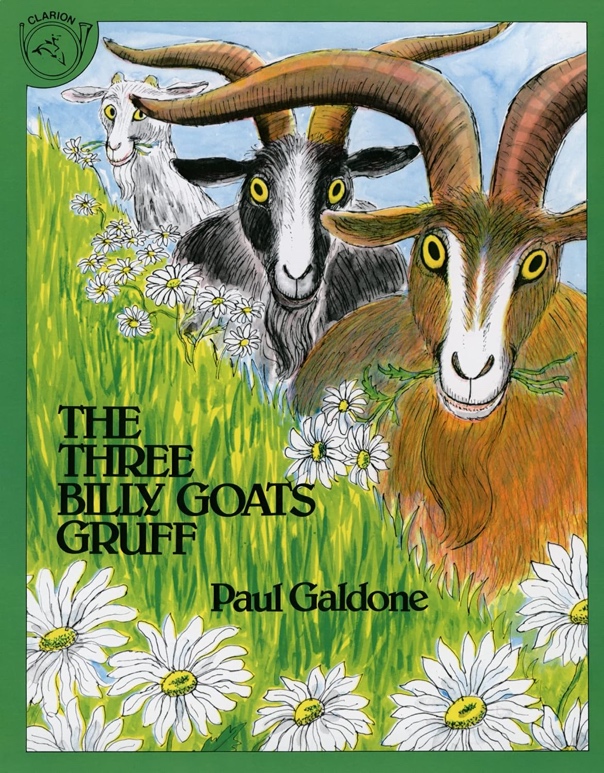
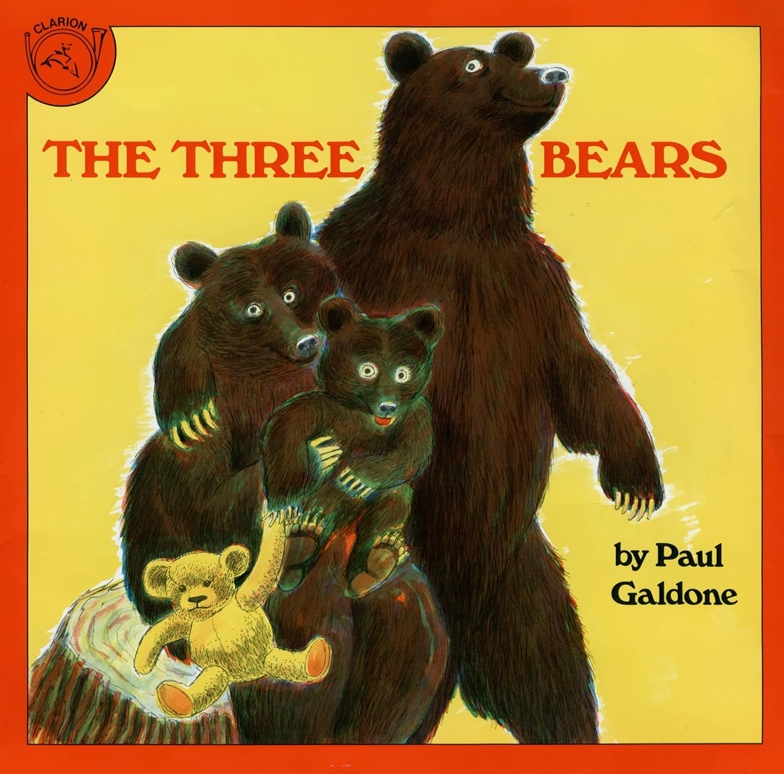
Pattern C: Three encounters
- Meet 1: sets the rule
- Meet 2: tests the rule
- Meet 3: breaks or fulfills the rule
This is great for stories involving recurring characters or recurring obstacles:
- three animals the hero meets
- three doors in a hallway
- three stations on a journey
- three classmates with different reactions
Pattern D: Three helpers
- Helper 1: offers a clue
- Helper 2: offers a tool
- Helper 3: offers the final push
This gives a story a feeling of “the world is supporting the hero”—which is a deeply comforting message for kids. It also gives you a clean escalation: clue, tool, breakthrough.
The rule of three is also a pacing tool
If your story feels meandering, the rule of three gives you rails.
It turns “and then, and then, and then…” into a clean build.
In children’s books, clean build = rereads.
Think of it like this: without structure, a story can feel like wandering around a store with no aisle signs. Kids get tired. Adults get tired reading it. Nobody knows where the story is headed.
The rule of three puts aisle signs up:
- attempt one
- attempt two
- final attempt
Now the reader can sense progress.
A quick storytelling example (so you can feel it)
Let’s say your story is about a little bunny who’s afraid of the dark.
Attempt 1: Bunny turns on every light in the house. Funny, but now everyone can’t sleep.
Attempt 2: Bunny hides under the blanket… but hears spooky sounds anyway. Now the fear feels real.
Attempt 3: Bunny learns a “bravery ritual”—three deep breaths, naming three safe things in the room, and asking for a hug. The fear shrinks. Bunny sleeps.
Notice what happened:
- Try 1 is silly.
- Try 2 is emotional truth.
- Try 3 is growth and resolution.
That’s the rule of three doing the whole job for you: pacing, lesson, payoff, and comfort.
How to use Book Bolt Studio with the rule of three
When you draft with AI support, the story can sometimes sprawl or add too many beats. Tools are great at “more,” but kids’ stories often succeed through “just enough.”
Use the rule of three as your constraint:
- “Give me three attempts”
- “Give me three challenges”
- “Give me three scenes that escalate”
Then you refine:
- trim extra beats
- sharpen the third payoff
- make sure the ending restores safety
A simple editing trick: if your draft has five or six similar scenes, ask yourself: “Which three are the cleanest escalation?”
Keep those. Cut the rest. Your story will instantly feel more classic.
Why it still works in modern storytelling (even with modern themes)
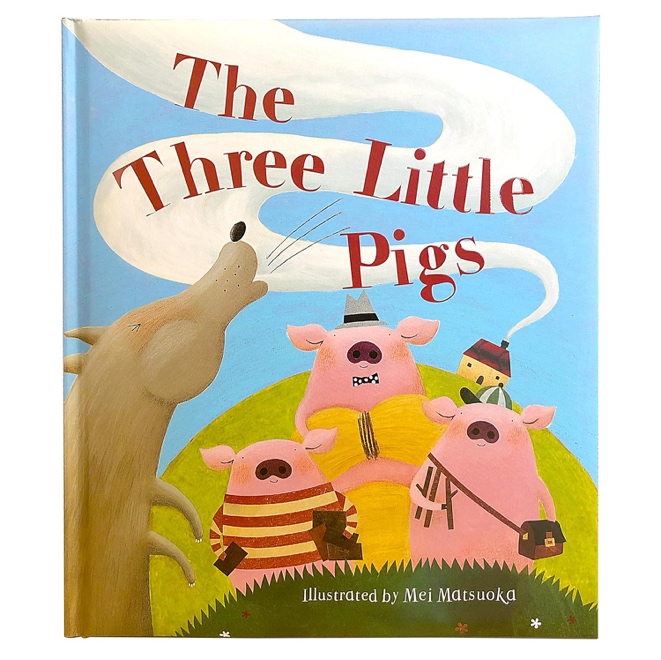
The rule of three is ancient, but it doesn’t belong only to folktales about pigs and bears.
It works for:
- first day of school nerves
- learning to share
- handling jealousy
- trying a new food
- making a friend
- practicing patience
- bedtime worries
Modern kids’ stories are full of modern situations, but the nervous system hasn’t changed. Kids still love predictable builds and satisfying payoffs. They still want to feel that “click” of pattern recognition.
That’s why three still works.
Final thought
The rule of three is ancient because it’s efficient.
It’s the skeleton of a classic story—and kids love classics.
It gives children:
- a pattern they can predict
- a rhythm they can trust
- and a payoff that feels earned
And when a story feels earned, it gets reread.
That’s the real measure of success in kid lit—not just “did they finish the book,” but “did they ask for it again tomorrow night?”