With the advances now available in Book Bolt Studio’s newer story-creation features, it’s easier than ever to generate children’s stories quickly. But the stories that last—ones parents re-buy and kids request again—usually have something old-school at the center:
A lesson.
The tricky part is that kids don’t want lectures, and parents don’t want books that sound like a sermon. The goal is to deliver meaning without sounding like you’re wagging a finger.
And you can feel the difference instantly, can’t you?
Some children’s books feel like a warm friend. You close the cover and think, That was lovely.
Other books feel like a nutrition label with pictures. You can practically hear the author clearing their throat to announce, “And now, here’s what we learned today.”
Kids can smell that a mile away. Parents can too.
The classics solved this centuries ago. Fables were essentially emotional training wheels—short, memorable, consequence-based stories that made the point without needing a long explanation. Modern picture books often do the same thing, just with warmer tone and better emotional nuance.
Here’s how to write lessons that land—without preaching.
Why “the lesson” still matters
Kids are learning how to be a person in the world:
- how to share
- how to be brave
- how to apologize
- how to handle jealousy
- how to tell the truth
- how to be kind without being a doormat
Stories help because they let a child watch a problem play out safely, then absorb what works.
The best lesson-based stories are not “moral instruction.”
They’re emotional rehearsal.
Think of it this way: kids are building their internal “how to live” manual in real time. They don’t get to download it. They don’t get to read the adult version. They learn by doing, and they learn by watching. A good children’s story lets them watch a situation unfold in a safe container—like a play rehearsal—so when they face a similar emotion in real life, they have a script.
Not a slogan. A script.
The big shift: from “moral” to “meaning”
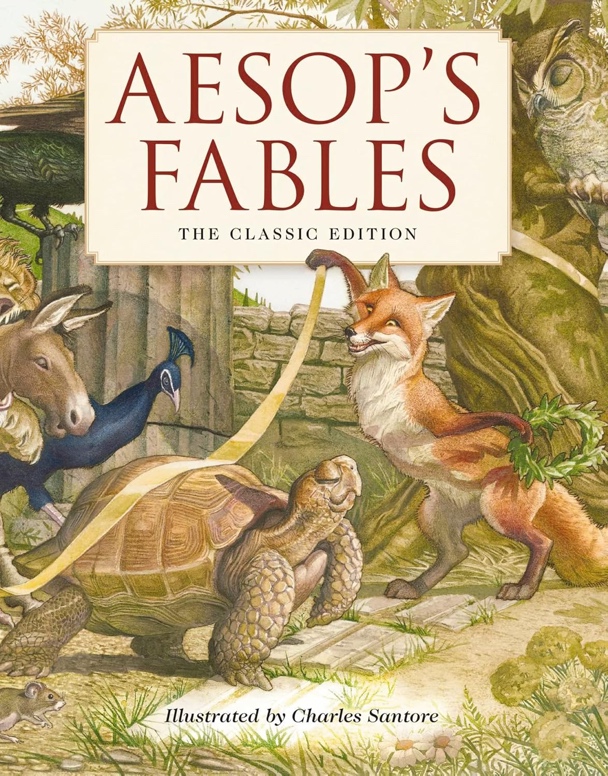
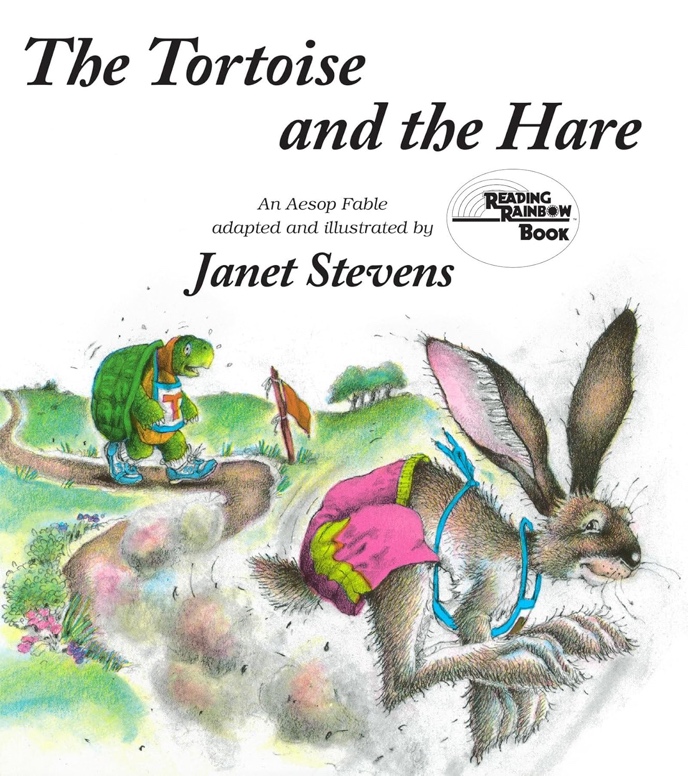
Classic fables often end with a clear moral statement. The story is the vehicle, the moral is the destination, and the author is not shy about putting a little signpost at the end that says: HERE IS THE POINT.
Modern children’s books tend to do something subtler:
- they show the consequence
- they show the repair
- they show the emotional shift
The child feels the meaning rather than being told what it is.
That’s why modern “lesson” books can be powerful without being preachy: the child isn’t being lectured. The child is being invited to understand.
It’s the difference between:
- “You should share.”
and - “Watch how lonely it feels when nobody shares with you… and how good it feels when someone finally does.”
One is a rule. The other is a lived experience.
Why preaching backfires (even when the message is good)
Here’s a little secret: preachy stories often fail because they make the child feel judged.
When a story says, “Don’t do this,” too loudly, a child can hear:
- “You’re bad when you do this.”
- “You’re the kind of kid who needs to be told.”
- “I’m disappointed in you.”
Even if you never wrote those words.
Kids are sensitive to tone. They can sense when the author is scolding through the page. And once the story feels like judgment, the child stops listening.
A good lesson story doesn’t judge the child. It joins the child.
It says:
“Yeah. That feeling makes sense. Let’s see what happens.”
The 5 ways to deliver a lesson without preaching
1) Let consequence do the teaching
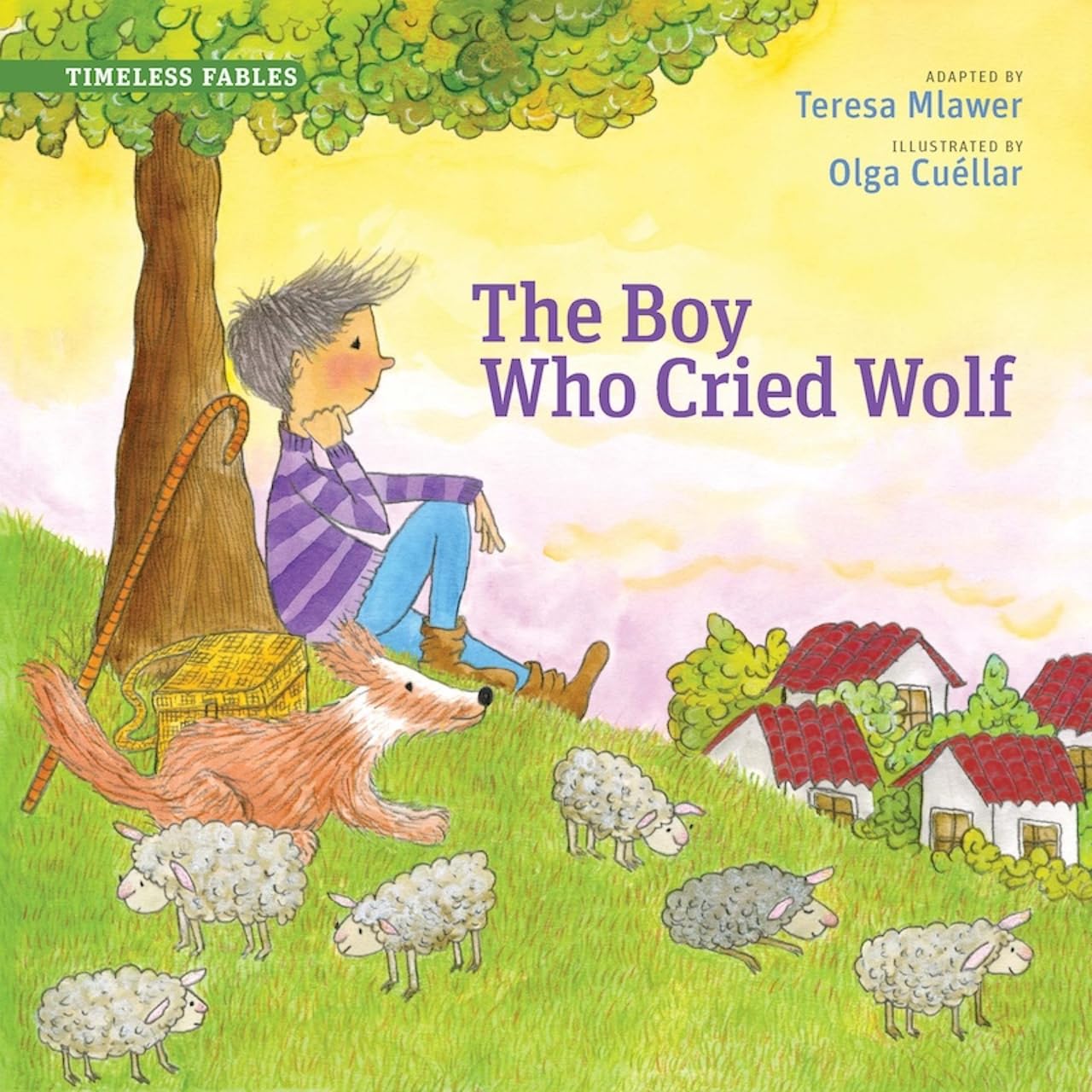
Instead of writing: “Always tell the truth,” write:
- the lie causes a misunderstanding
- the misunderstanding causes a small loss
- the truth repairs the relationship
Lesson delivered. No lecture required.
The key word here is small. In children’s books, consequences should be safe and proportional. You’re not trying to traumatize. You’re trying to teach cause and effect in a way that feels fair.
A lie doesn’t have to burn down the village. It can simply:
- make a friend walk away
- cause a toy to go missing
- create a mix-up that feels embarrassing
- lead to a moment where the character has to fix what they tangled
That’s enough. Kids learn from the emotional discomfort and the repair.
2) Make the character lovable, not perfect
Preachy stories often have “perfect” characters who do everything right.
Kids don’t relate to perfect. They relate to:
- messy
- impulsive
- embarrassed
- trying
A lovable character who learns feels like a friend.
In fact, one of the fastest ways to make a lesson story feel real is to give the character a flaw that’s basically “child-shaped.”
Examples:
- they blurt before thinking
- they get jealous when attention shifts
- they want to win
- they don’t want to share
- they exaggerate
- they try to be funny and accidentally hurt someone’s feelings
If your character is a little messy, the lesson doesn’t feel like a sermon. It feels like, “Oh, that happens.”
3) Keep the moral center simple
A lesson-based story works best when it focuses on one core truth.
Not:
- sharing + honesty + gratitude + patience + kindness + teamwork
Pick one.
That “one lesson” becomes your spine, and everything else becomes supporting texture.
If you try to teach five values in one short picture book, the child won’t absorb any of them. The story becomes muddy. The emotional arc gets diluted.
One lesson per book is plenty. That’s how classics endure: simple and strong.
4) Use “repair” as the payoff
A lot of preachy stories stop at punishment:
- “See? You were wrong.”
Better stories end at repair:
- the apology happens
- the friend returns
- the world restores
- the character feels relief
Repair is what makes a child want rereads.
Repair also models the most important skill of all: not “never make mistakes,” but how to fix mistakes.
Because kids will make mistakes. Adults will too. What matters is showing that mistakes don’t mean exile. They mean learning and reconnection.
That’s a message parents love, too—because it gives them a way to talk about behavior without shame.
5) Let humor soften the medicine
The safest way to deliver a lesson is to wrap it in warmth:
- comedy
- tenderness
- empathy
- a little absurdity
Humor keeps the tone from feeling scolding.
A funny moment can release tension right when the story could otherwise feel too heavy. It keeps the child feeling safe enough to stay engaged.
In many classic fables, the humor is blunt. In modern picture books, it can be:
- a silly misunderstanding
- a character’s dramatic overreaction
- a running gag
- a funny side character
- a playful repetition that kids can anticipate
Humor turns instruction into companionship.
A fast “lesson story” blueprint you can reuse
- Small temptation / mistake
- Consequence (safe, not traumatic)
- Realization
- Repair
- Return to comfort
That’s it. That’s the engine behind thousands of successful children’s stories.
If you’re ever stuck, you can literally ask yourself:
- What did they do?
- What happened because of it?
- What did they feel?
- What did they do to fix it?
- How does the world feel safe again?
That sequence is the difference between “a lesson” and “a lecture.”
Using Book Bolt Studio with lesson-based stories (keep the human part)
AI-assisted drafting can easily create a story with “a moral,” but it can also drift into preachy language—because it’s very good at producing clean declarative sentences like:
- “It is important to share.”
- “Always be kind.”
- “Honesty is the best policy.”
Those aren’t wrong. They’re just poster talk.
Your best job as editor:
- remove lecture-y sentences
- show actions instead of explaining them
- make the repair moment feel emotionally real
A good rule: if a sentence sounds like it belongs on a classroom poster, rewrite it as a scene.
Instead of: “Sharing is important,” write that the character tries to keep everything—and ends up alone. Then they offer one small thing, and the whole mood changes.
Instead of: “Say sorry when you hurt someone,” write that the character feels that tight, uncomfortable feeling in their chest, and finally says the words that unlock the room again.
That’s how you turn a moral into meaning.
Final thought
The best children’s lessons aren’t slogans.
They’re experiences a child can feel.
And that’s why they last.