Engraved fungi, observation-first templates, dotted grid pages, and a calm index you’ll actually use—designed for KDP B&W interiors
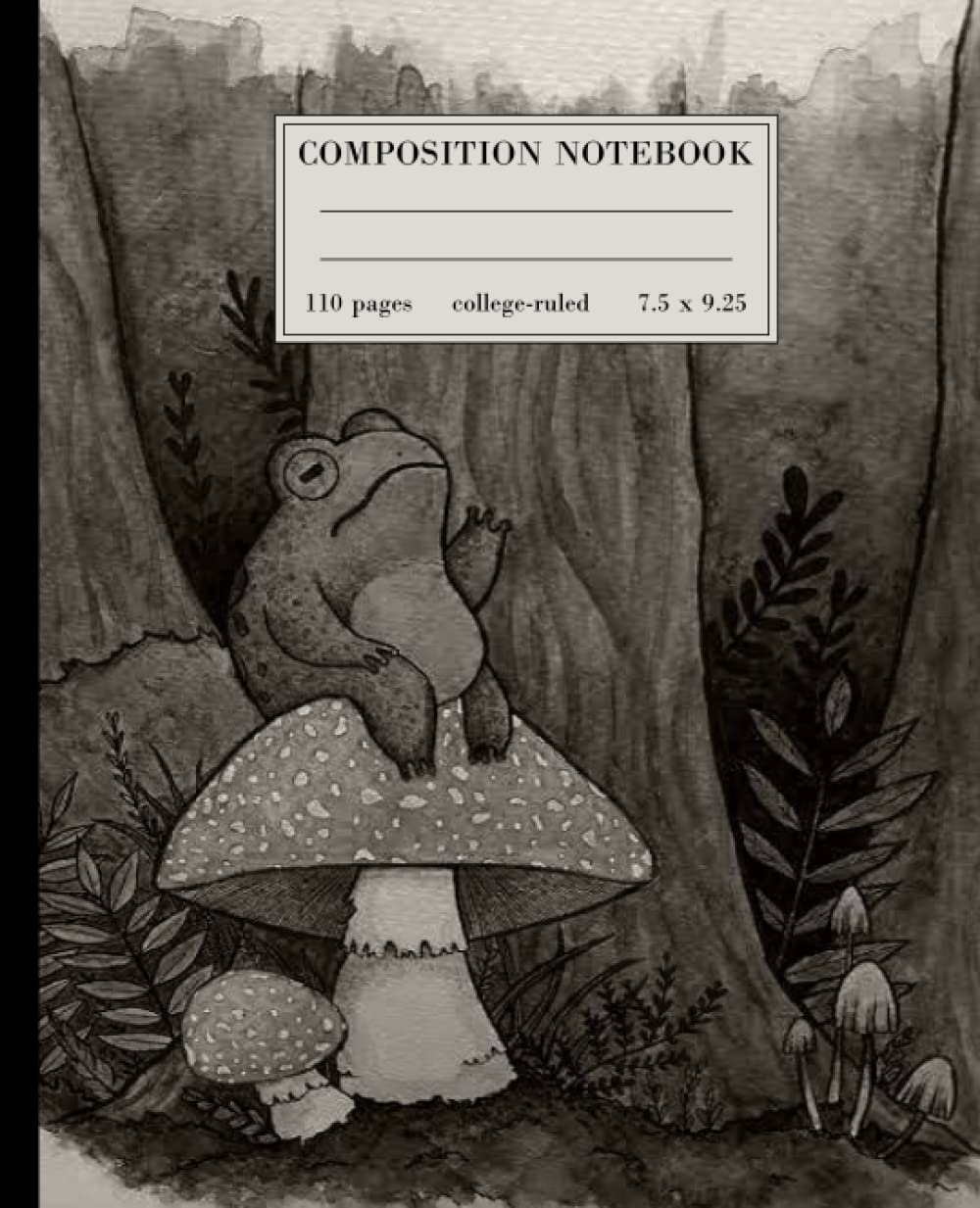
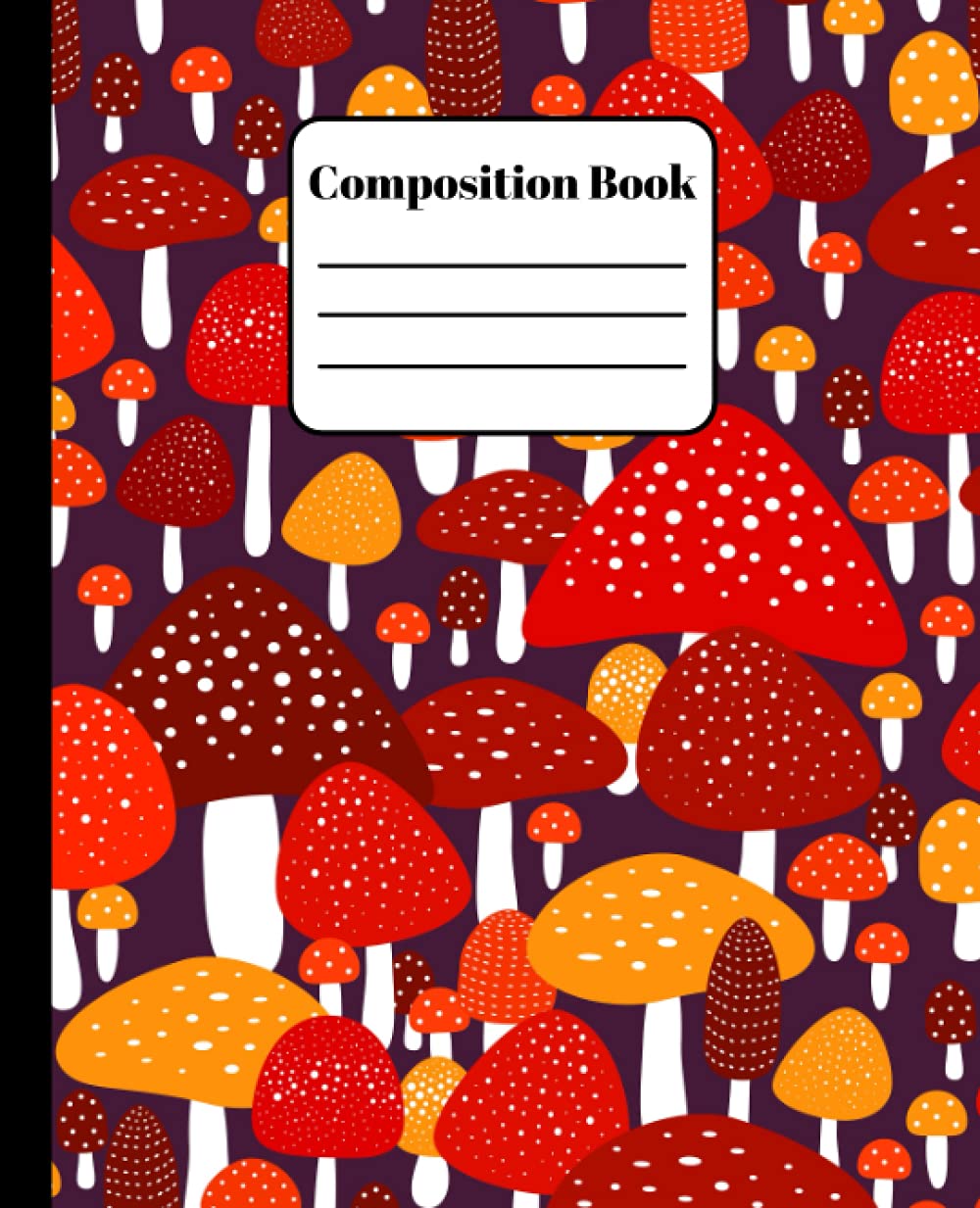
Walk into a forest after rain and the world lowers its voice. Bark darkens, air smells like earth remembering itself, and the ground fills with punctuation—tiny commas, umbrellas, fans. Mushroomcore isn’t cartoon caps; it’s fieldwork and folklore: the engraved plate, the specimen label, the spore print rendered in ink. In notebooks and planners, that means dotted grids that invite observation, an index that actually gets used, and margins with room for weather notes and the odd poem. For low- and medium-content books, this aesthetic offers a clear north star: design that slows the breath, honors the subject, and prints beautifully in grayscale.
This essay is a guided walk—where the look comes from, how it behaves on a page, and how to shape field-note templates, dotted grid interiors, and a usable index so your book feels like a companion, not a theme park.
Where the Look Comes From (and Why It Feels Right)
1) Cabinet of Curiosities / Natural History
Victorian collecting left us specimen plates, figure numbers, and calm labels. Engraved botany illustrations use high contrast and tender hatching that reads crisply in black ink.
2) Field Notebooks
Pocketable, durable, organized enough to help, loose enough to invite sketches. Functional manuscripts—not fussy forms.
3) Kitchen & Folk Lore
Mushrooms belong to kitchen tables and stories. That warmth shows up as stitch-like borders, soft prompts like “where found,” and generous margins.
Together, it’s part museum, part woods: equally at home on a coffee table and in a backpack.
Where You’ve Seen Mushroomcore
- Antique field guides with stippled gills and figured panels.
- Herbarium sheets: typed labels, linen-tape motifs.
- Kitchen posters of seasonal produce—engraved, numbered.
- Forager journals: mud-splashed pages, date + weather in the corner.
- Visitor centers: spore prints, cross-sections, plainspoken captions.
Two shared values: clarity (to learn) and reverence (to protect).
Visual Vocabulary: Engraved Linework & Spore Geometry
Engraved Fungi
Think scientific plate: intentional hatching, 1–2 stroke weights, clear white space. A single well-drawn cap with a small “Fig. 1” can carry a whole cover.
Spore Prints
Radial bursts that read like monochrome chrysanthemums. Use as a cover medallion, a faint grayscale watermark behind a heading, or a divider motif (interior in grayscale only).
Specimen Plates
Arrange whole cap, profile, gill close-up, stem texture, cross-section; add small figure numbers and calm captions. It becomes your grammar for dividers and title pages.
KDP print tip: keep line weights ≥ 0.75–1 pt; avoid ultra-fine crosshatching that can fill in on cream paper.
Palette & Paper: Moss, Bone, Ink (Used Correctly)
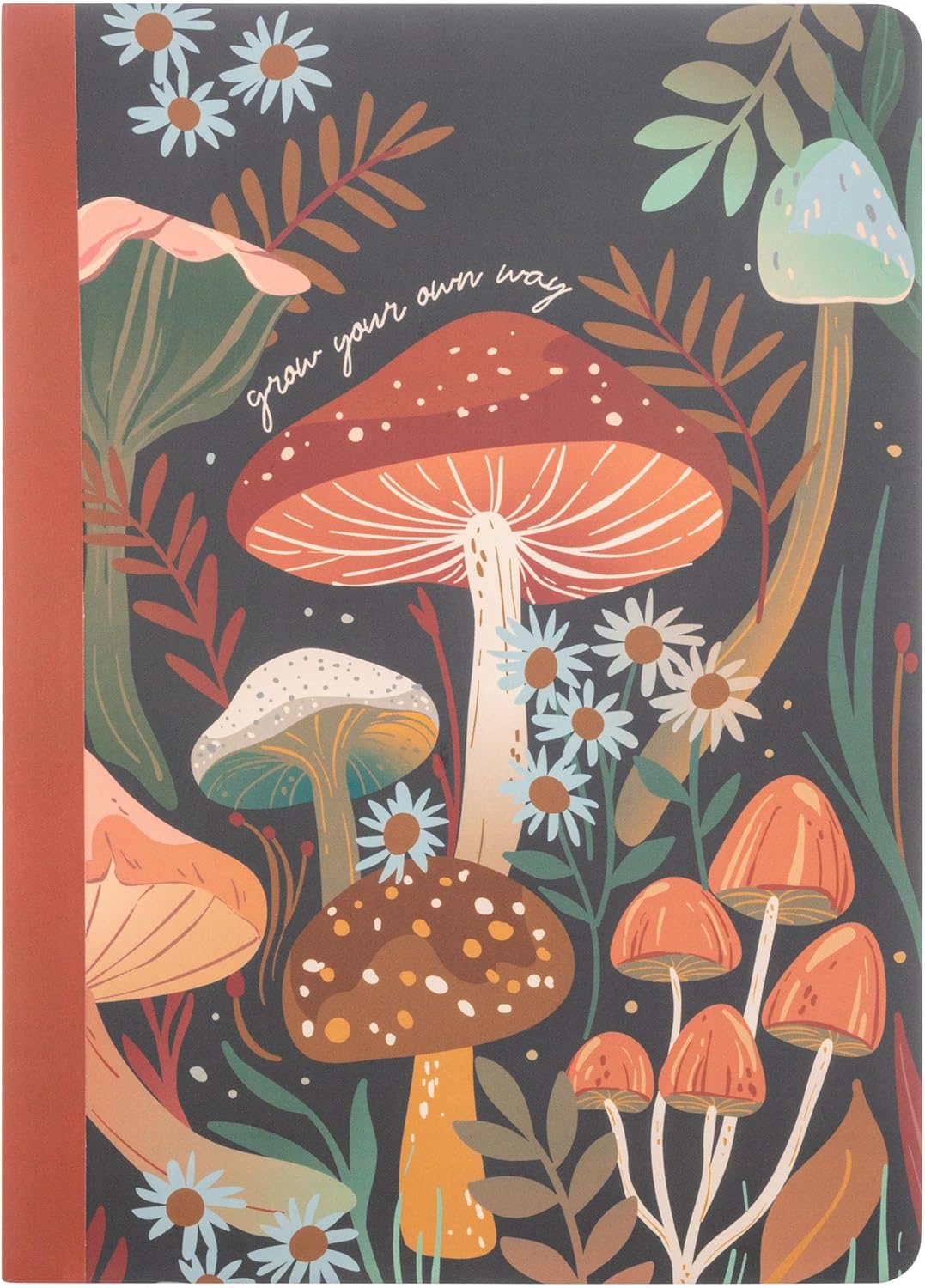
- Covers: Muted natural hues—moss, sage, lichen, sepia, charcoal—work beautifully. Title must stay high-contrast for thumbnails.
- Interiors: Black ink on white or cream stock. Simulate warmth with gray values (≈30–80%) rather than color. Keep textures subtle (light speckle or crosshatch) so they reproduce cleanly.
Avoid large soft gradients; if needed, add 1–2% noise to reduce banding in grayscale.
Typography: Small Caps & Modest Numerals
- Headings: bookish serif with friendly italics; true small caps for plate titles/months.
- Labels & figures: neutral grotesk or monospace at small sizes; upright, legible numerals.
- Prompts/body: same serif, generous leading; field notes are often scribbled—give them room.
- Tone: scientific but kind: “Where found,” not “Location (mandatory).”
Limit yourself to one serif + one sans/mono. Restraint feels premium and prints cleaner.
The Page as Field Companion: Templates for Real Observation
1) Observation Spread (two-page, repeatable)
Left — The Record
- Header line: Date • Time • Weather • Companion (tiny icons optional in 30–50% gray).
- Taxon line: “Common / Latin” + checkbox ID: ☐ confident ☐ tentative.
- Location: text line + small grid for coordinates or sketch map.
- Habitat: short checklist (deciduous, conifer, meadow, rotting log, stump, leaf litter, other ___).
Right — The Study
- Unruled sketch box with faint corner crop marks.
- Notes block (ruled or dotted): odor, texture, bruise color, associations.
- Spore print circle (light ring) + “Spore print color: ______”.
- Tiny ethics line: “Photograph only • Leave habitat undisturbed.”
2) Species Snapshot (repeat encounters)
Single page: header (common/species), four short lines (date, location, habitat, notes), quarter-page sketch, and a mini index code (e.g., “A4–B2”).
3) Seasonal Spread (section opener)
Phenology notes (first flush, last frost), targets & hopes (checkboxes), concise safety/ethics reminder.
Safety note: avoid edibility or identification instruction unless your book is explicitly an ID guide written by a qualified author. Keep prompts observational and neutral.
Dotted Grid + Index: Order Without Anxiety
Dotted Grid
Structure that doesn’t compete with sketches. 5 mm spacing works well; dots in 40–60% gray so they guide but recede. Use on observation pages, mapping boxes, and user-made tables.
Index (the future thank-you)
- Two-column index with faint A–Z tabs in the gutter.
- Left: common or Latin name; right: page references (“14–15; 32”).
- Optional code system explained up front (e.g., Section–Entry A1, A2…).
- Small cross-refs: “→ see also: conifers / saprotrophs / rain-after-heat.”
Covers That Keep the Promise
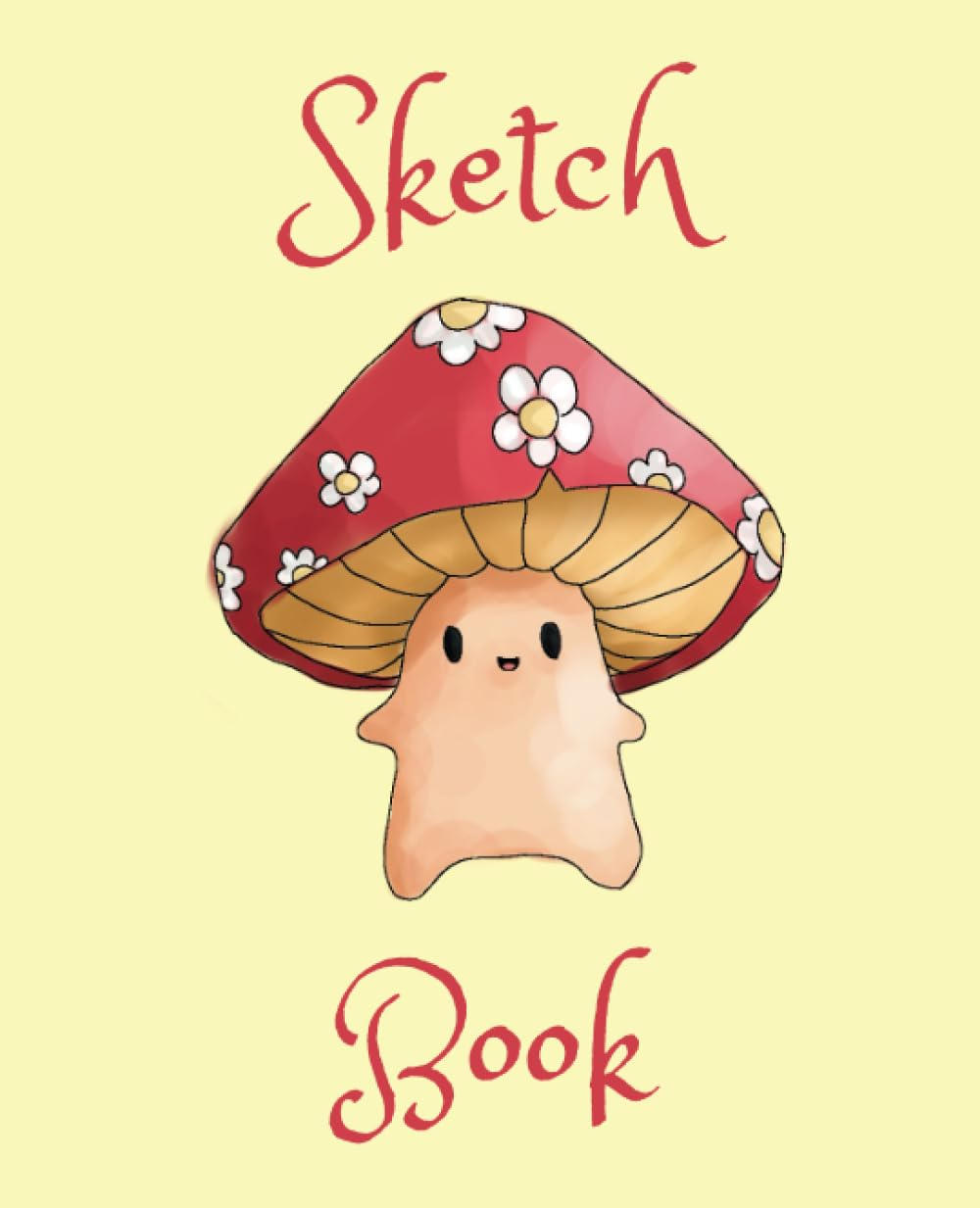
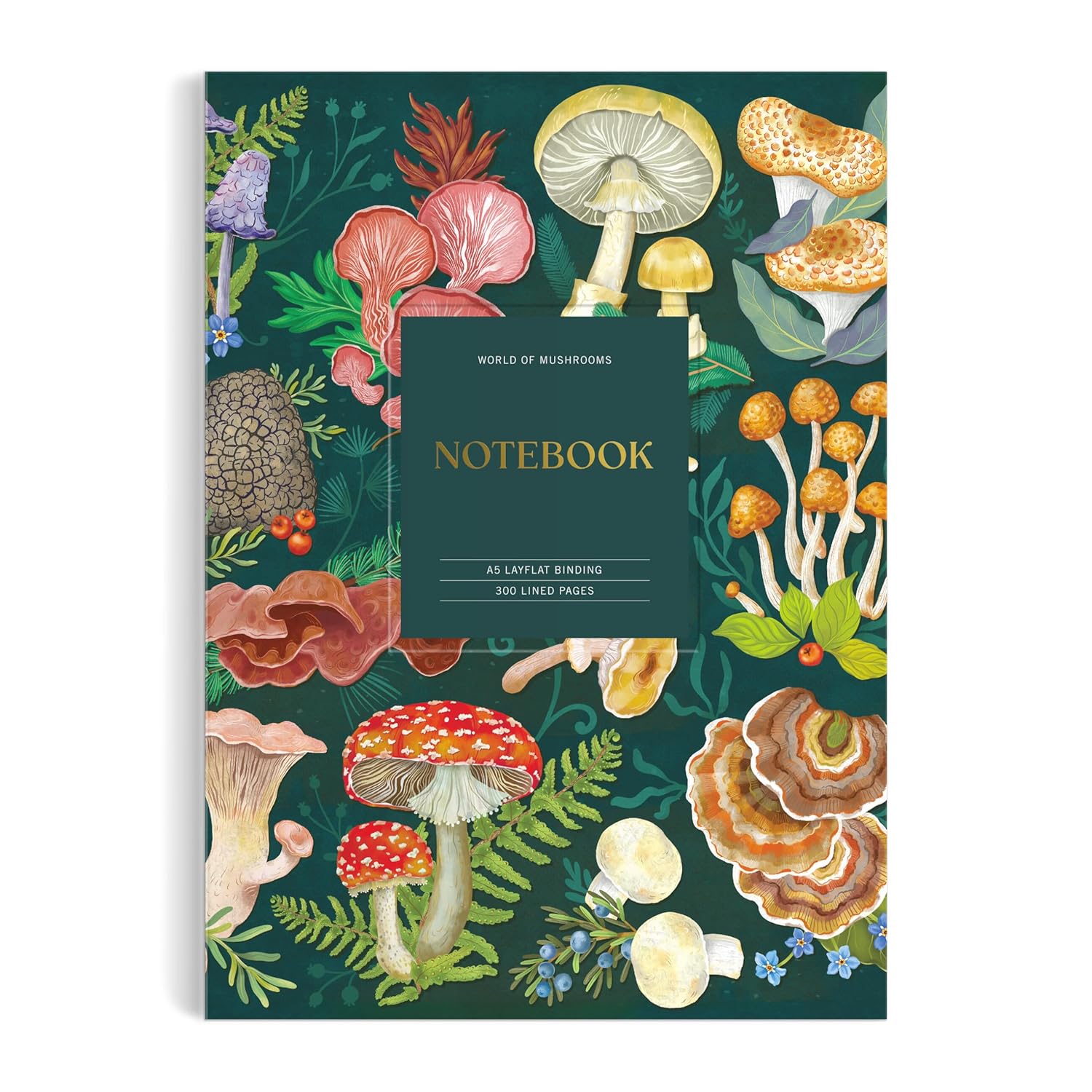
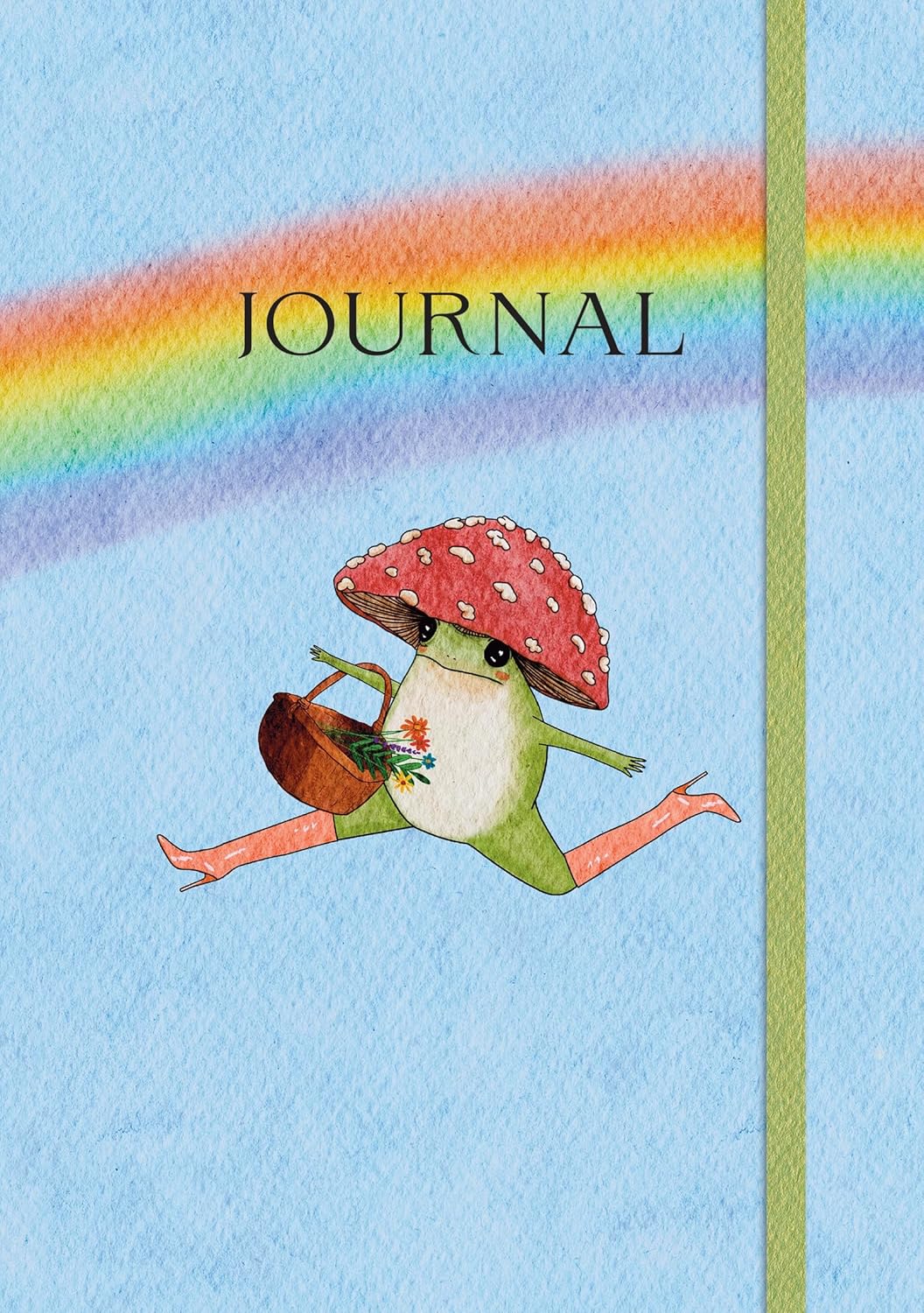
Keep the message: serious enough for study, beautiful enough to carry. (Color allowed on the cover.)
- The Plate: one engraved specimen centered; plate title in small caps (e.g., PLATE VI — AGARICACEAE); thin border; faint spore watermark.
- The Cabinet: tidy 2×3 grid—cap, gills, stem, cross-section, spore disc, habitat leaf—with figure numbers.
- The Coin: single spore disc medallion; title set around or beneath it.
- The Field Tag: printed “kraft-label” graphic in the top third (FIELD NOTES), small engraving near the foot.
Scenes to Build a Series (cohesion without clones)
- Rain-After-Heat — Slight wash behind a crisp engraving; seasonal notes foregrounded.
- Edge of Meadow — Grass-silhouette border; room for sketch maps and sun angles.
- Conifer Shade — Compact caps; prompts for under-canopy debris and tree type.
- Kitchen Table Archive — “Tape” label graphic; space for drying/pressing notes and recipe memories (without implying edibility).
- Night Walk — Dark cover with pale linework; “moon & spores” theme; after-dusk observation cues.
Human Touches (the little things people keep)
- Companions line on observation pages.
- Tiny perimeter crop marks around sketch boxes for confidence.
- A printed “found object pocket” illustration (decorative suggestion, not a real pocket).
- Occasional quote boxes: “Look closely. Then closer.” Keep rare.
Common Missteps (and Kind Fixes)
- Clip-art carnival → Use one engraved subject per spread; let white space work.
- Form overload → Soft prompts + dotted grid; users fill the rest.
- Harsh white + deep black → Choose cream stock; keep lines 60–80% gray where possible.
- Safety creep → Stay observational; no edibility claims or how-to IDs unless qualified.
Why Mushroomcore Works (and Sells)
- Evergreen: Natural history outlasts cycles.
- Giftable: Appeals to hikers, gardeners, readers.
- Print-friendly: Engraved linework ages better than bright graphics.
- Invites return: Owners fill it, review it, gift variants and sizes.
In a dashboard world, a mushroomcore notebook promises something else: go outside, look carefully, and keep what you find.
Gentle Copy (Back Cover or Opening Page)
These pages are for field notes, sketches, and the little facts that feel like secrets—weather on the hour, where a cap tilted, the smell after rain. Leave no trace but the ink you carry. When in doubt, look longer.
Short, neutral guidance shapes use more than decoration.
A Closing Walk
Mushroomcore isn’t just “mushroom-themed.” It’s a design ethic: quiet lines, careful labels, generous margins, and respect for living things. Keep interiors B&W, illustrations engraving-inspired, and prompts observational. Add a calm dotted grid, a plainspoken index, and a cover that makes a quiet promise.
Then step outside after a rain. Sit on a log. Write what you see. When the notebook comes home with a smudge of mud and a pencil tucked in the spine, you didn’t just ship a product—you made a companion. That feeling sells, and more importantly, it lasts.