There’s a particular hush to winter mornings—the lamp clicked on before the sun, a mug warming the hands, a chair that remembers the exact shape of its reader. This is where puzzle books for seniors feel perfectly at home. They’re companionable, low-pressure, and—unlike gadgets that demand passwords and updates—they open with a soft rustle and begin. As stocking stuffers, they’re hard to beat: affordable but substantial, easy to gift in multiples, and surprisingly “premium” when designed with care.
This is both a love letter and a design brief: how to make large-print Sudoku, word searches, and mazes feel dignified; how to pick themes that invite memory and conversation; and how to balance challenge with calm so a book gets finished, shared, and asked for again. And because gift-givers always wonder if puzzles help, we’ll talk benefits without overpromising—think attention, routine, and mood support in everyday life.
Why puzzles belong in winter (and why seniors keep choosing them)
Puzzles are quiet exercise. They structure time into small, satisfying loops: look, think, try, succeed, rest. For older adults—especially during long, early-dark evenings—that rhythm is comforting. There’s no clock to beat, no scoreboard, just steady progress that reveals itself one square at a time. They’re also wonderfully portable: armchair, kitchen table, waiting room.
And the social side is real. Couples compare maze routes. Grandkids “help” find the last word. A half-finished page becomes a prompt: Did you ever visit Route 66? Which big band did Grandpa like? With the right themes, a solitary pastime turns into shared stories.
For creators, this category is a sweet spot: premium pricing, loyal repeat buyers, and customers who return for the next volume if the first one felt good to use. Presentation does a lot of the selling.
The look and feel of dignity
Large-print doesn’t have to mean clunky. Done right, it’s elegant accessibility.
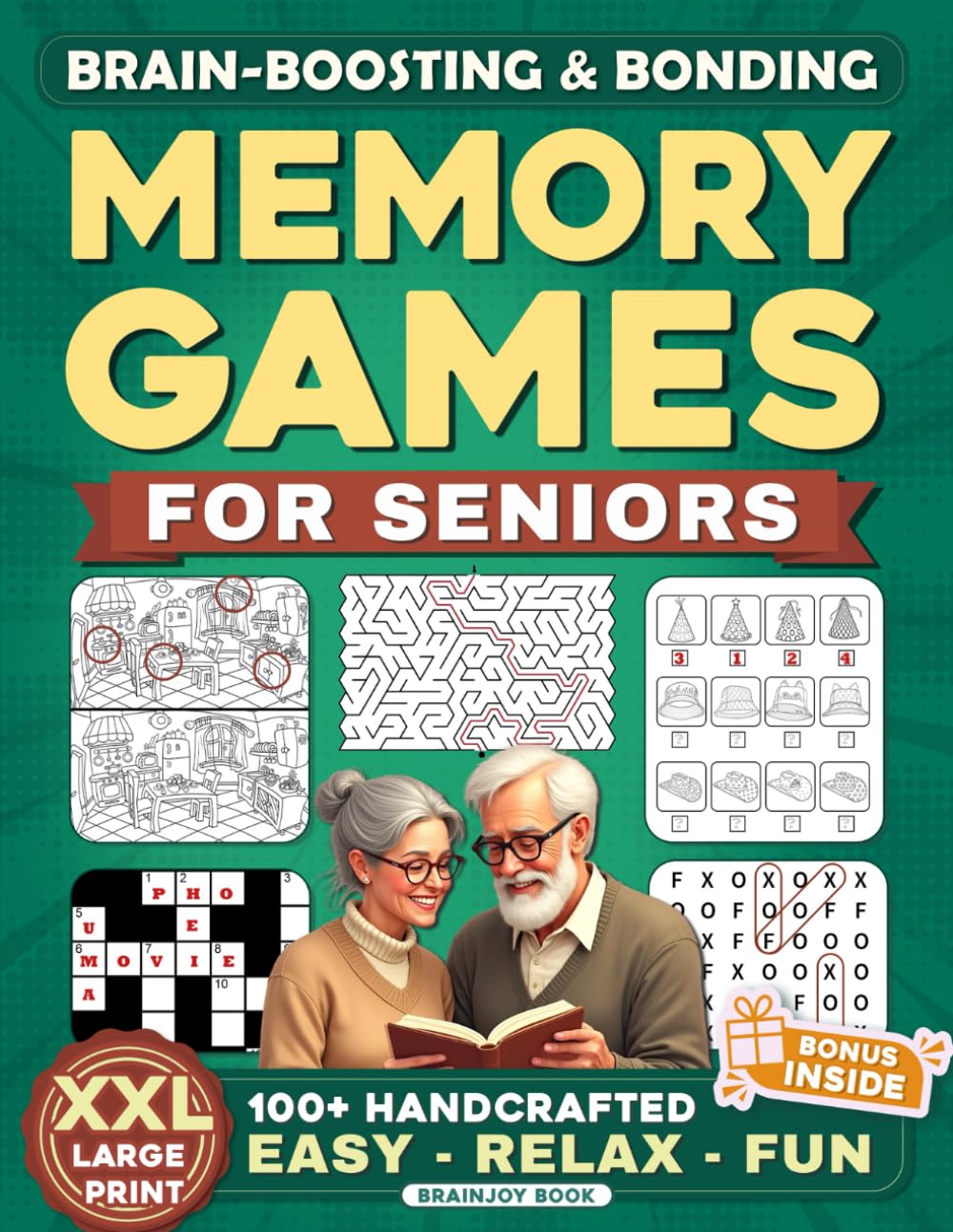
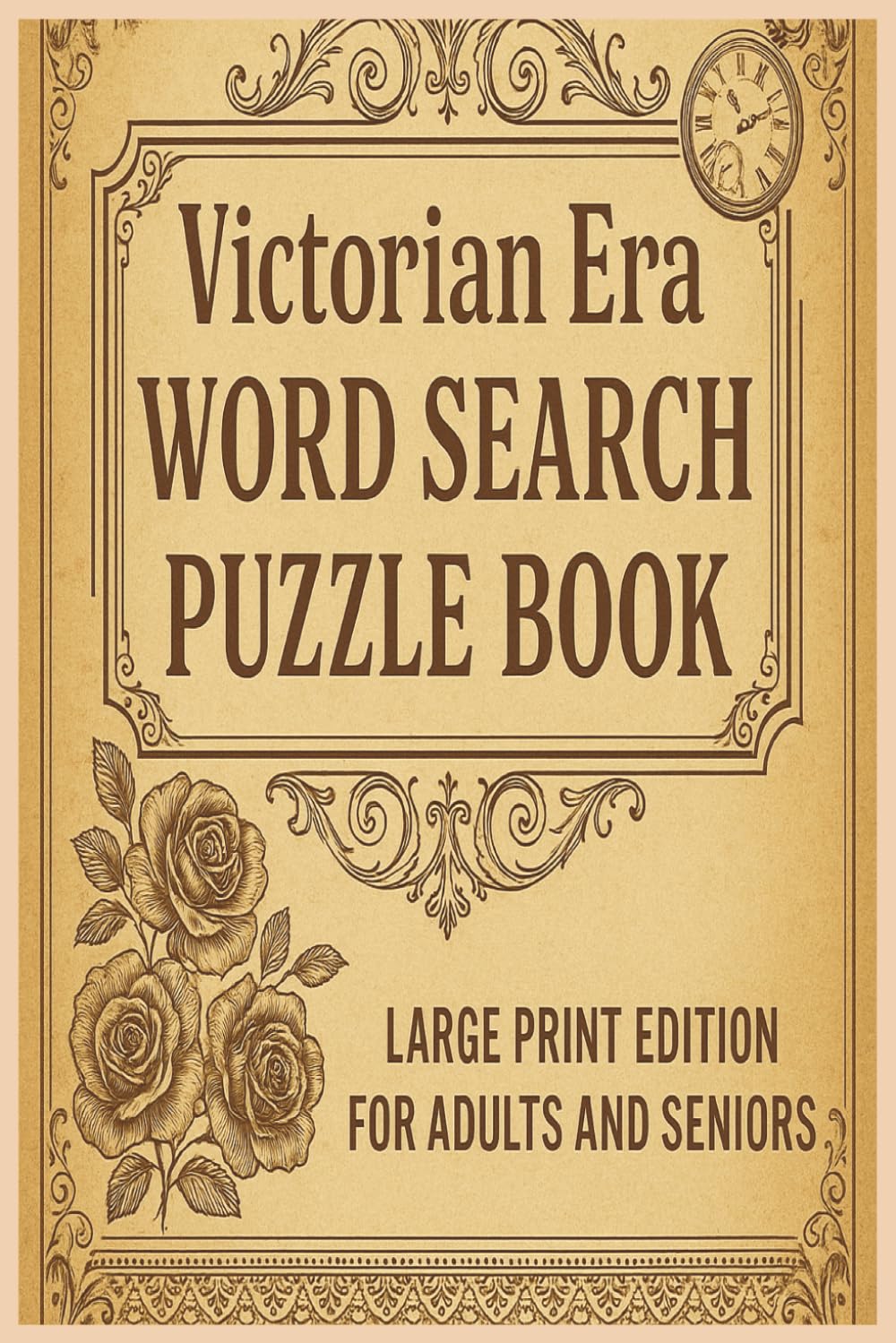
- Covers with confidence. Cozy, clear, and readable from across the room. “Large-Print” belongs on the front—visible, not embarrassed.
- Interiors that breathe. Warm white/bone pages reduce glare under lamps and flatter pencil. Aim for roughly 16–20 pt body type with generous spacing.
- High contrast without harshness. Deep charcoal can feel gentler than brittle jet black.
- Bound to stay open. Lay-flat/spiral-friendly formats feel like a hug. Hands should rest, not wrestle.
A handsome book signals respect: this was made for you, not merely sold to you.
What puzzles can realistically support
No single activity “turns back time,” and cognitive research tends to be cautious. But as part of an engaged routine, puzzles can exercise useful mental muscles in low-pressure ways:
- Attention & focus: scanning, tracking paths, resisting distraction
- Working memory & planning: Sudoku’s “hold this, try that” logic
- Language & retrieval: themed word lists that spark associations
- Visuospatial skills: mazes, spot-the-difference, nonograms
- Mood & agency: micro-successes that feel earned and calming
The best promise is simple: structure for idle time, gentle challenge, and a pleasurable way to keep the mind moving.
Topics that feel like home (and invite stories)
Senior-friendly themes should be fresh without being foreign—familiar enough to spark memory, varied enough to stay interesting.
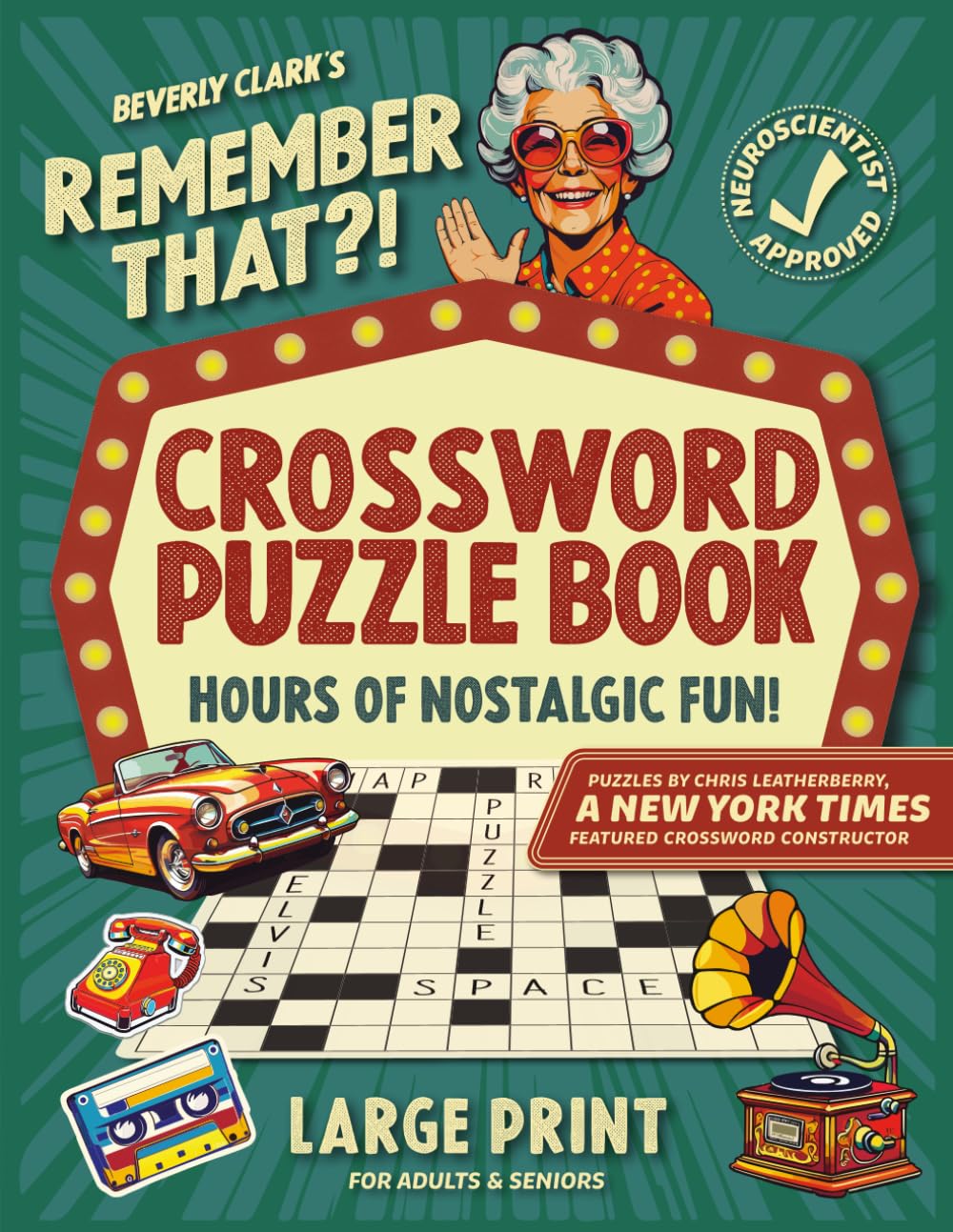
- Warm decades: diners, early TV, big bands, Motown, moon landing milestones
- Travel & place: national parks, scenic trains, Route 66, lighthouses
- Everyday richness: herbs and spices, knitting, quilting, backyard birds
- Seasonal comforts: winter soups, carols, snow words, holiday traditions
- People & pursuits: inventors, painters, baseball legends, ballroom dances
- Small joys: gratitude, kind words, favorite walks
The right theme turns a puzzle into an icebreaker: “Do you remember…?”
Large-print Sudoku that flows
Sudoku is the headliner for a reason—it scales beautifully to large type. The key is pacing: start with easy wins, then ramp gently from easy to moderate. Use bold region borders, roomy cells, and clear row/column markers so people can talk through a sticky spot (“I’m stuck at E-5”). Avoid novelty variants that demand tiny notation or expert tricks. A single solved example up front—showing one simple strategy—reads like reassurance.
Word searches with a writer’s ear
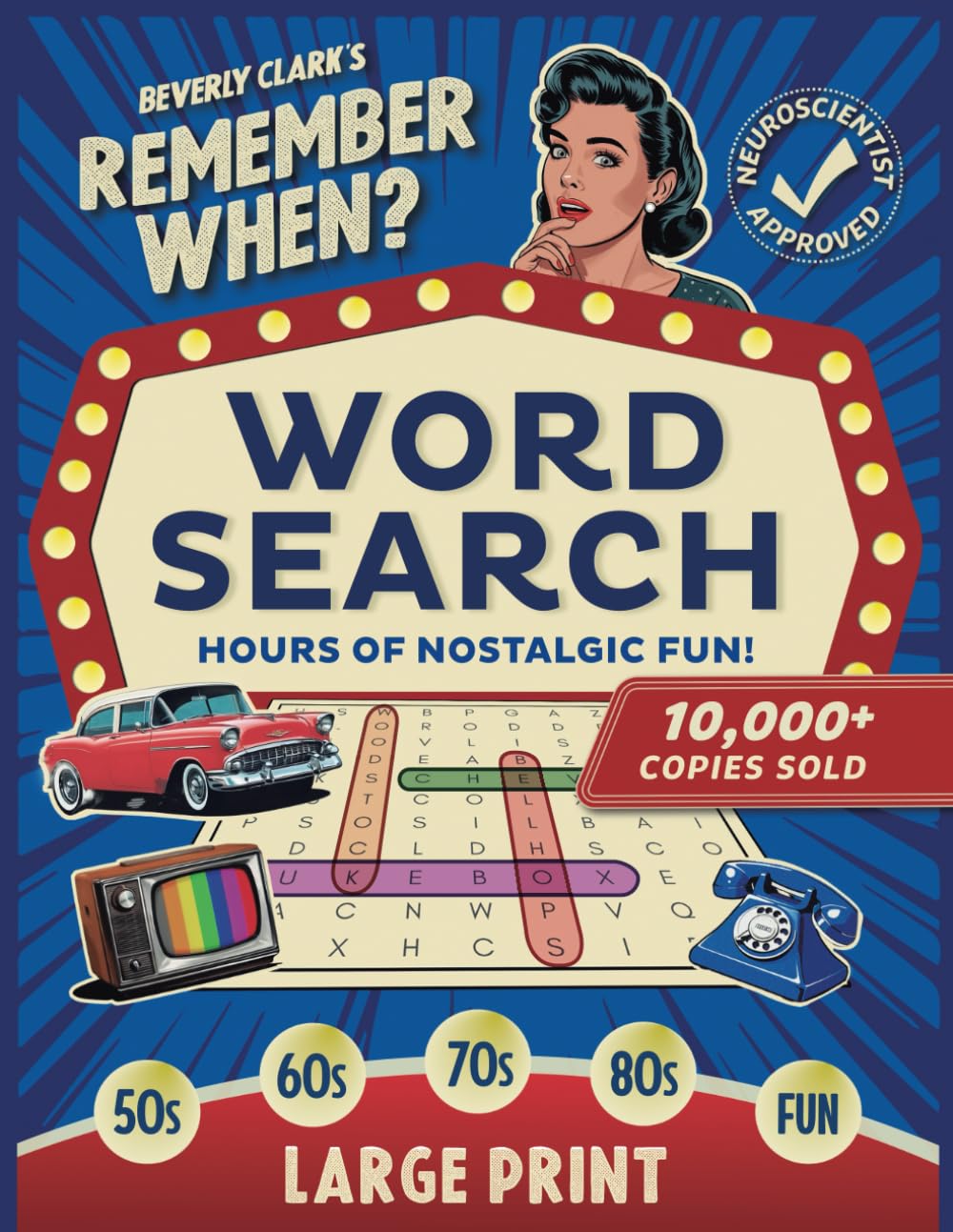
Bad word searches feel like chores. Good ones feel curated—word lists that hum with rhythm and memory. Use open grids (letters around 16–18 pt), generous spacing, and keep the word list right next to the grid (no page-flipping). Add gentle “delight” sparingly: a bonus phrase revealed by unused letters, or a small hidden message—fun, not frustrating. Design kindness matters here: avoid long runs of similar-looking letters and keep the grid visually clean.
Mazes with good manners
Mazes should invite the eye, not dare it. Favor thicker paths and a little extra space between walls so pens don’t blot. Choose scenic, satisfying routes over dense “hairball” complexity. Tiny tasteful illustrations at start and finish (cottage, feeder, train station) frame the task without feeling juvenile. One maze per page, with white space for wrist-rest, is a usability upgrade that feels premium.
Little decisions that add up to joy
The best senior puzzle books feel like they were designed by someone who actually watched someone solve them at a kitchen table:
- Clear “start here” cues
- Answer keys at full scale (no squinting thumbnails)
- One puzzle per spread whenever possible
- Pencil-friendly paper (not glossy)
- Difficulty markers that work without color (● ◻︎ ▲)
Small choices, big impact: they’re the difference between “nice idea” and “I finished it and bought another.”
The premium gift signal
A coordinated series (three or four volumes) builds collectibility: consistent design, distinct themes, and matching spines that look handsome on a shelf. Add a simple gift plate (“To / From / Winter of ___”) and a short note: For long evenings, warm hands, and bright thoughts. Don’t be shy about specifying paper, font size, and binding on the back cover—buyers shopping for seniors appreciate the details.
Avoiding the common traps
- Shrinking to fit: jammed pages save paper but lose readers
- Novelty for novelty’s sake: micro-fonts and tricky variants are the wrong vibe
- Infantilizing covers: tasteful design sells better and feels better
- Unreadable solutions: hard-to-read answer keys get books abandoned
Design is courtesy. In this market, courtesy becomes your brand.
The quiet case for giving puzzles
Some years call for big gifts. Other years, small steady gifts are the most thoughtful thing in the room. Large-print puzzle books for seniors are little engines of calm attention and earned progress. They respect the reader’s eyes and hands, turn idle minutes into small adventures, and often spark stories along the way.
If you’re making them, design like a host: choose type and paper the way you’d choose a chair for a guest—sturdy, comfortable, welcoming. If you’re buying them, look for those hospitality cues: roomy grids, honest large print, tasteful covers, answers you can read.
Slip one into a stocking. In a season of bright noise, you’ll have given something rarer: a warm place for the mind to rest and roam.