In the competitive world of low-content publishing on Amazon KDP, one product type has emerged as both highly profitable and creatively rewarding: themed planner sets. These collections—built around a cohesive concept, visual aesthetic, or target audience—appeal to niche markets that crave consistency, organization, and style.
Using BookBolt’s robust design and research tools, you can create themed planner sets that don’t just sell once—they create repeat customers, loyal followers, and a recognizable brand. In this article, we’ll break down how to plan, design, and market planner collections that are not only visually unified but also optimized for sales on Amazon.
Why Themed Planner Sets Work
Themed planner sets aren’t just popular—they’re smart business. Here’s why:
- Visual Branding: A cohesive look builds brand recognition and shelf appeal.
- Upsell Opportunities: Sets encourage multi-book purchases and recurring buys.
- Content Efficiency: Once you’ve built a theme, adapting it across planners is fast.
- Targeted Marketing: Niche-specific themes make it easier to reach specific audiences.
Think of a themed planner set as the publishing equivalent of a capsule wardrobe: each item works on its own, but together they create something even more valuable.
Step 1: Choose a Profitable and Sustainable Theme
Before you start designing, it’s important to choose a theme that has strong market appeal and enough flexibility to produce a series of products. BookBolt’s Keyword and Trend Research Tools can help.
Use BookBolt to Identify Themes:
- Keyword Search: Type in broad niches like “fitness planner,” “wedding planner,” or “spiritual journal” and look at monthly search volumes.
- Category Cloud: Check related search terms for deeper niche angles like “self-care fitness planner” or “bridesmaid proposal planner.”
- Competition Checker: Analyze existing books in the niche—can you offer a more stylish or complete set?
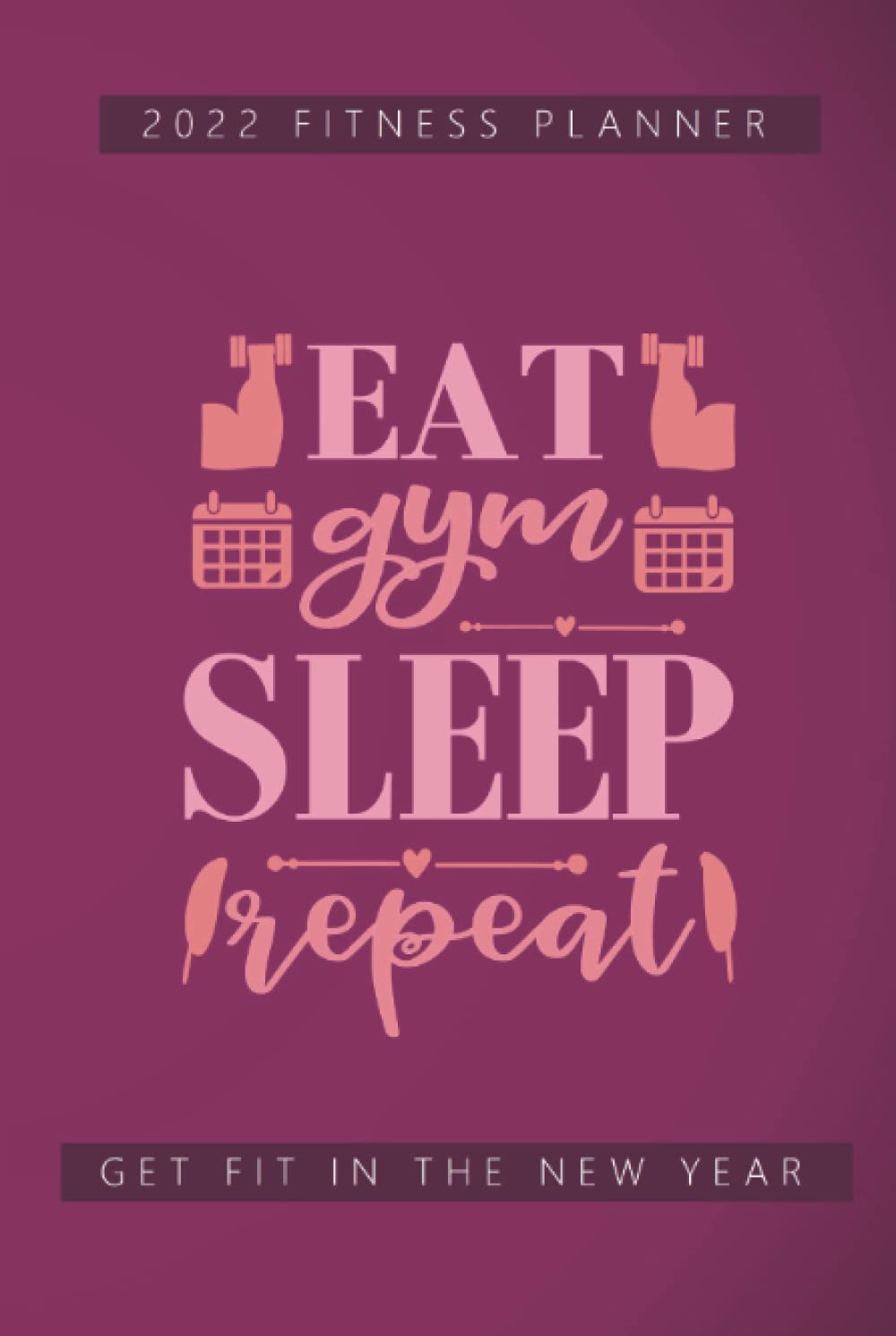
Popular Themes with Expandable Potential:
- Self-Care & Wellness
- Faith & Spirituality
- Business & Goal Setting
- Homeschool & Educational
- Wedding & Event Planning
- Creative Professionals (writers, artists, designers)
- Seasonal/Quarterly Planners
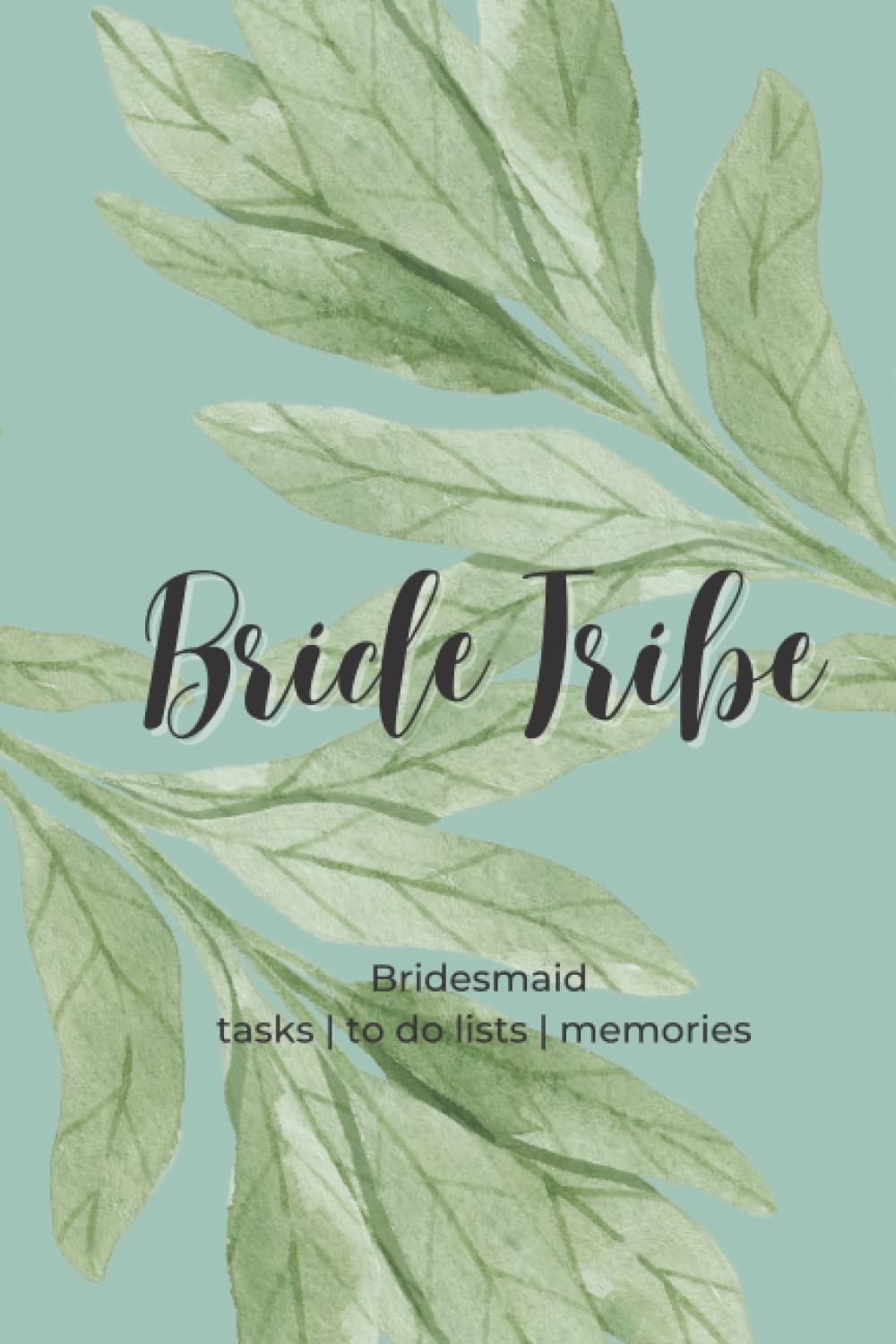
Step 2: Map Out the Set
A successful themed planner set usually includes 3 to 7 titles. Each should stand alone but share common visual and structural elements.
Example: “Holistic Self-Care Series”
- Mindful Morning Planner
- Fitness Tracker & Meal Log
- Gratitude Journal
- Monthly Reflection Workbook
- Habit Builder Journal
- 30-Day Challenge Guide
Key Considerations:
- Use consistent fonts, color palettes, and layout elements.
- Align dimensions and page count.
- Make sure your titles look like a collection in thumbnail view on Amazon.
Step 3: Design with BookBolt Studio
BookBolt Studio is your one-stop shop for designing planner interiors and covers.
Interior Layout:
- Use the Interior Wizard to generate templates for trackers, calendars, checklists, and logs.
- Customize Fonts and Borders for theme alignment—e.g., elegant serif fonts for wedding planners vs. playful sans serif for family organizers.
- Duplicate Layouts and swap out titles or prompts to create new books quickly while maintaining consistency.
Cover Design:
- Open the BookBolt Cover Designer and apply your chosen palette and imagery across all covers.
- Use consistent placement for title, subtitle, and graphic motifs.
- Leverage stock graphics or create illustrations using external tools, then import them into BookBolt Studio.
Step 4: Upload and Optimize Listings
When uploading each planner, treat the listing with care—Amazon KDP’s A9 algorithm rewards relevance and specificity.
Use Keyword Research:
- Include consistent keywords across titles (e.g., “Self-Care Planner for Women,” “Mindfulness Workbook”) but vary them enough to avoid duplication.
- Use BookBolt’s Keyword Research Tool to select both broad and long-tail keywords.
Product Description:
- Introduce the planner as part of a larger set: “Part of our Self-Care Series…”
- Use bullet points to describe who it’s for, what it includes, and how it fits with other titles.
- Consider including a line about collecting the full series.

Step 5: Promote the Series as a Brand
Once your set is live, think like a brand, not just a publisher.
Create an Author Page:
Use Amazon Author Central to showcase the entire collection under one author name, giving your brand a dedicated hub.
Promote on Social Media:
- Instagram and Pinterest are perfect for showing off coordinated planner sets.
- Create lifestyle mockups to visually communicate the series’ aesthetic.
- Post how-to videos and journaling tips on TikTok or YouTube Shorts to drive engagement.
Consider A+ Content (Now “Book Details” Section):
If you’re brand registered or KDP allows the Book Details content in your category, upload banners and comparison charts showing the full collection and how each title connects.
Bonus: Seasonal Planner Set Ideas
Planner sets don’t have to be evergreen—they can rotate with the calendar year.
Example: “2025 Seasonal Reset Collection”
- Winter Wellness Journal
- Spring Cleaning Planner
- Summer Travel Organizer
- Fall Harvest Meal Prep Log
Example: “Quarterly Business Strategy Bundle”
- Q1: Vision and Goal Planner
- Q2: Mid-Year Evaluation Workbook
- Q3: Marketing Planner
- Q4: Year-End Reflection and Strategy Builder
Use BookBolt to update keywords and covers each season—then reuse interiors with slight tweaks to maintain profitability without doubling your workload.
Bonus: Visual Checklist for Cohesive Planner Sets
Brand Identity:
- ☐ Unified font pairings
- ☐ Matching color palettes
- ☐ Consistent logo or author name
Cover Design:
- ☐ Shared layout (title/subtitle positioning)
- ☐ Series number or icon identifier
- ☐ Seasonal or niche-aligned images
Interior Layout:
- ☐ Repeating design motifs
- ☐ Common page structure (titles, margins, fonts)
- ☐ Cohesive content (prompt style, journaling flow)
Marketing:
- ☐ Series branding in title or subtitle
- ☐ Mentions of other titles in description
- ☐ Social media branding toolkit
Final Thoughts
Creating themed planner sets is one of the most scalable and rewarding strategies for low-content book publishers on Amazon KDP. With BookBolt’s powerful design and research tools, you can create beautifully coordinated products that serve a specific audience and keep them coming back for more.
These aren’t just books—they’re systems, experiences, and even gifts. And once you create a formula, replicating your success becomes easier and faster with every new series you launch.
So, what will your next collection be?